Created using AI; curated by Glow Protocol. AI tools support research, product comparisons and writing. Our recommendations are editorial selections. How we work.
Quick answer
Double cleansing is optional. Consider a first removal step when your usual cleanser leaves makeup or sunscreen behind, then a gentle wash if needed. If one cleanser removes what you wear comfortably, age alone is not a reason to add a second; avoid scrubbing and over-washing.
Background guidance: AAD: face washing.
Updated : Opening answer clarified and its supporting references checked; jump navigation added. Check current price, size and seller on the retailer listing.
Affiliate Disclosure: This post contains Amazon affiliate links. As an Amazon Associate, Glow Protocol earns from qualifying purchases. If you purchase through our links, we earn a small commission at no extra cost to you. We only recommend products we have researched and believe in.
Double Cleansing After 30: The Complete Guide
Double cleansing is one approach to removing makeup, sunscreen and residue. This guide explains the method and curates cleanser examples with AI support. The aim is to help you decide whether a second cleansing step fits your routine, budget and skin tolerance.
What Double Cleansing Actually Is (And Isn’t)
Double cleansing sounds exactly like what it says: you cleanse your face twice. But the specific order and products matter.
The method: First, you use an oil-based cleanser to dissolve makeup, sunscreen, and oil-soluble impurities. Then, you follow with a water-based cleanser to remove water-soluble dirt, sweat, and the remnants of the oil cleanser itself. That’s it. That’s the whole thing.
What it is not: Double cleansing is not about being aggressive. It’s not about stripping your skin. It’s not about using two harsh foaming cleansers that leave your face tight and uncomfortable. If that’s what you’re doing, please stop immediately.
Double cleansing is about being thorough without being harsh. It’s about removing everything that accumulated on your face during the day, and especially everything you applied intentionally, like makeup and sunscreen, without compromising your skin barrier in the process. It’s gentler than using one harsh cleanser and trying to compensate by scrubbing harder.
Why It Matters More After 30
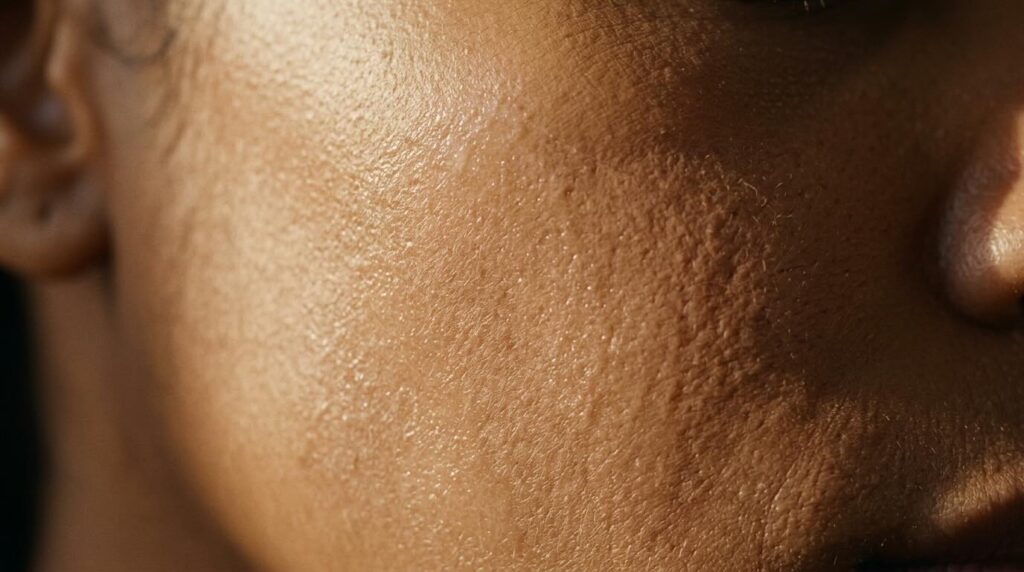
Our skin changes after thirty. This isn’t dramatic or scary, it’s just biology. And understanding why changes how you approach cleansing.
A second cleanser may be useful when the first does not comfortably remove your makeup or water-resistant sunscreen. Age alone does not make two cleansers necessary.
Oil production shifts. Our sebum composition changes subtly as we age. It doesn’t just decrease uniformly, some areas get drier while others stay oily. This combination skin tendency makes thorough cleansing more important. You need a method that handles both the dry and oily zones without over-treating either.
Extra cleansing is not automatically gentler. Choose the fewest steps that remove the products you wear without uncomfortable rubbing or dryness.
Cell turnover slows down. We shed dead skin cells more slowly as we age. This means impurities have more time to accumulate and cause congestion. Thorough cleansing helps counteract this naturally.
And here’s the meta-reason: everything you apply after cleansing, your serums, your actives, your moisturisers, works better when applied to genuinely clean skin. If your cleanser is leaving residue behind, nothing else can absorb properly. You’re essentially wasting your expensive products. Double cleansing ensures that when you apply your skincare routine, it’s actually making contact with your skin, not just sitting on top of a layer of grease and sunscreen and makeup residue.
Step 1: The Oil Cleanse
This is where the magic happens. And it’s where most people feel confused, because counterintuitively, you’re using oil to remove oil.
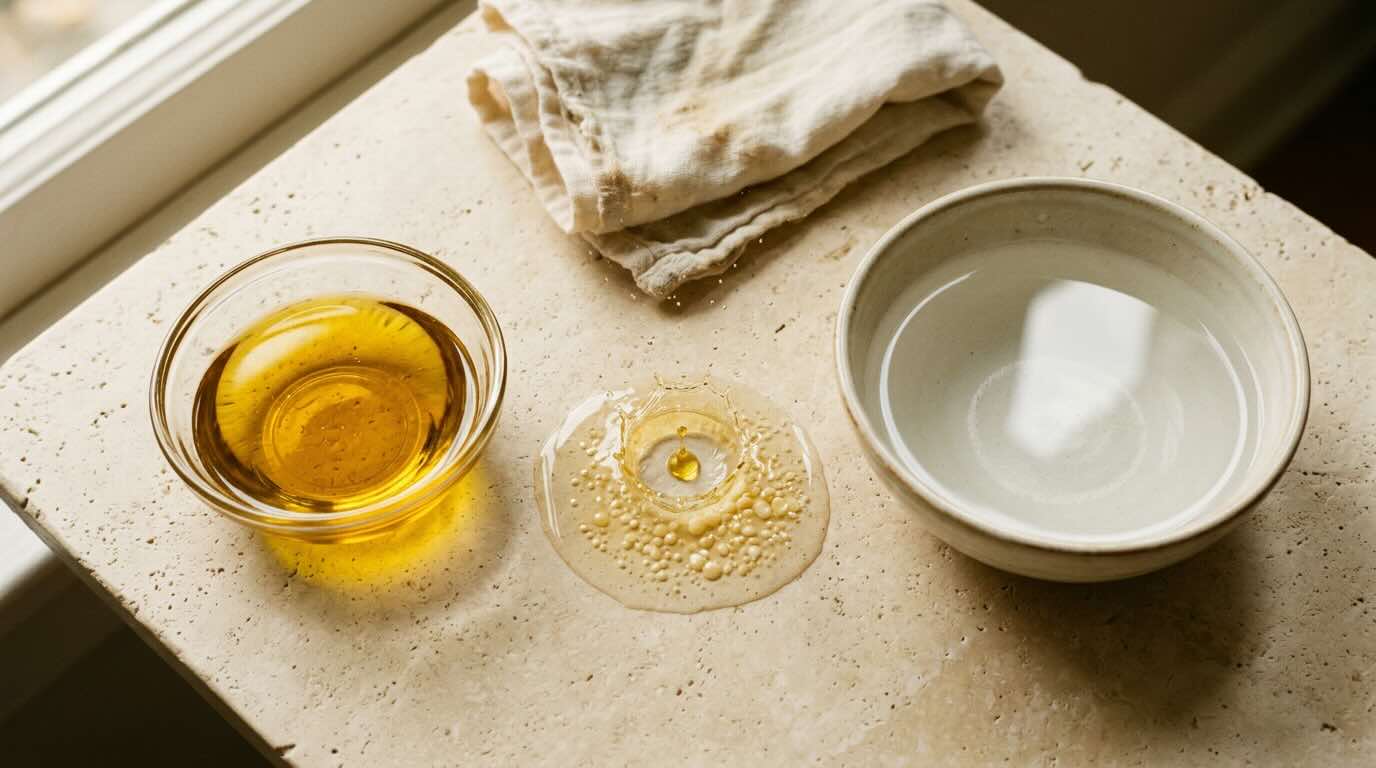
Here’s the chemistry: oil dissolves oil. It’s that simple. When you apply an oil-based cleanser to your skin, it penetrates the oily layer of makeup, sunscreen, and sebum. It mixes with those substances at a molecular level. It breaks them down. It makes them easier to remove.
And then, this is crucial, you add a tiny bit of water. Just a few drops. This causes emulsification. The oil breaks into tiny droplets that are suspended in the water. Suddenly, an oil cleanser becomes something that rinses clean with water, instead of leaving you with an oily film.
How to do it. Use a proper oil cleanser, not just straight-up coconut oil or whatever you have in your kitchen. Proper cleansing oils are formulated to be water-soluble and non-comedogenic. Apply about a nickel to quarter-sized amount to dry skin. Yes, dry. Your skin needs to be completely dry for this step to work effectively. Massage gently for about 30 seconds to a minute. Don’t scrub. Just gentle circular motions. Add a tiny bit of water, just a few drops, and continue massaging. You’ll feel the texture change as the oil emulsifies. Rinse thoroughly with warm water until no oily residue remains.
That’s it. One minute or less. But it removes an astonishing amount of gunk. If you’re worried about oil cleansing breaking you out, I understand. But here’s the reality: properly formulated oil cleansers are designed not to clog pores. The problem happens when you use the wrong oil (like cooking coconut oil, which is actually comedogenic), or when you skip the water-based second cleanse and leave an oily film on your skin.

Step 2: The Water-Based Cleanse
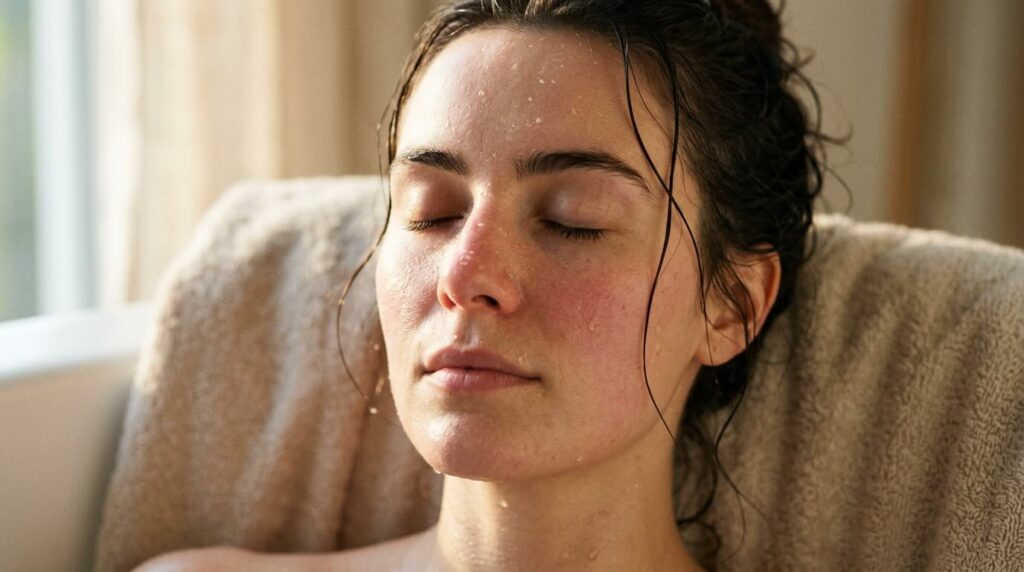
After the oil cleanse, your skin might still feel slightly slick. This second cleanse removes any residual oil, as well as water-soluble dirt like salt, sweat, and pollution particles.
The key here is gentleness. You’ve already done the heavy lifting with the oil cleanser. Your second cleanser should be creamy and mild, not foaming and stripping.
How to do it. Use a gentle, non-foaming cleanser. Look for words like hydrating, creamy, milk, or balm. Wet your face with lukewarm water. Apply about a dime-sized amount and massage gently for 30 to 45 seconds. Rinse thoroughly with cool water. The cool water helps close your pores slightly and feels refreshing.
Your skin should feel clean but not tight. If it feels tight or squeaky, your second cleanser is too harsh. Pro tip: some people find that a gentle micellar water works beautifully as a second cleanse, especially if they have sensitive skin. Micellar water is incredibly gentle and effective at removing residual oil without any harshness. After the water-based cleanse, your skin should feel like skin again. Clean. Soft. Ready for the rest of your routine. Not parched. Not stripped. Just genuinely clean.
Best Double Cleansing Products at Every Budget
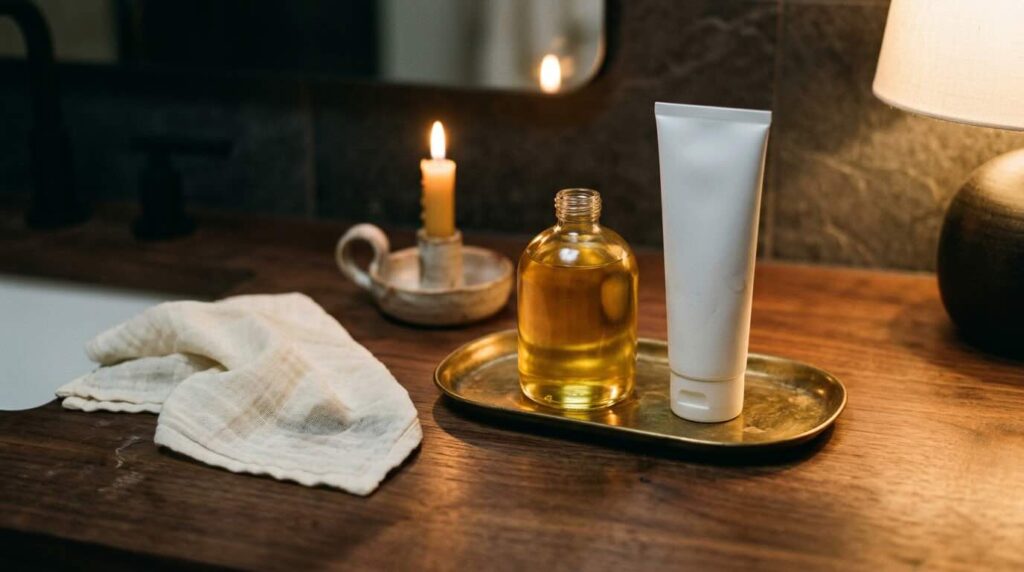
The following products are curated examples of cleansers to compare by format, ingredients, directions and budget. The selections are not a record of product trials conducted by Glow Protocol.
Oil Cleansers
Budget Pick
DHC Deep Cleansing Oil
If you want to dip your toes into oil cleansing without spending much money, this is it. DHC’s formula is lightweight, non-comedogenic, and genuinely effective. It emulsifies beautifully. The scent is subtle and pleasant. An absolute steal. I recommend this to anyone who’s skeptical about oil cleansing because it proves the concept works without requiring a major investment.
View on Amazon →
Luxury Pick
Tatcha Camellia Cleansing Oil
This is a splurge, but it’s worth it if you can make room in your budget. The formula is luxurious. It smells incredible. It removes every trace of makeup and sunscreen in one pass. And it makes the entire experience feel like self-care, not just a chore. An investment in both cleansing and in those moments where skincare feels special. Use this when you need to feel taken care of.
View on Amazon →
Mid-Range Balm Pick
ELEMIS Pro-Collagen Cleansing Balm
A cleansing balm is oil-based but has a different texture, it’s solid at room temperature and melts on contact with your skin. ELEMIS’s version is rich, luxurious, and formulated with marine actives. The jar lasts forever because you only need a tiny amount. If you love the experience of your skincare, this transforms double cleansing into an actual ritual. It also works beautifully for removing even the most stubborn waterproof makeup.
View on Amazon →
Water-Based Cleansers
The Reliable Default
CeraVe Hydrating Facial Cleanser A non-foaming cleanser option with ceramides and hyaluronic acid. Compare it with your current cleanser before buying an additional step. No cleanser has zero irritation risk. View on Amazon →
For Sensitive or Active-Using Skin
La Roche-Posay Toleriane Hydrating Gentle Cleanser
Specifically formulated for sensitive skin, this creamy milk cleanser is incredibly gentle. It doesn’t foam, it doesn’t strip, and it leaves your skin feeling soft and comfortable. I recommend this especially if you’re using actives like tretinoin, retinol, or vitamin C. It’s gentle enough not to compound the irritation these products can cause.
View on Amazon →
The Lightest Second Cleanse
Bioderma Sensibio H2O Micellar Water
If you prefer a lighter second cleanse, micellar water is your answer. Bioderma’s version is gentle, effective, and works beautifully with any oil cleanser. It’s also incredibly travel-friendly. I keep this in my bag and use it if I’m cleansing in an airport bathroom or after the gym. It feels like a refreshing, gentle cleanser without any fuss.
View on Amazon →
When You Don’t Need to Double Cleanse
I’m a big advocate of double cleansing, but I’m also realistic. There are legitimate situations where it’s not necessary.
In the morning. You don’t need to double cleanse in the morning. You didn’t accumulate makeup and sunscreen overnight. A single gentle cleanser or even just rinsing with water is sufficient. Save double cleansing for nighttime when you actually have things to remove.
Days you didn’t wear makeup. If you didn’t wear makeup and didn’t apply sunscreen (though I’d strongly encourage you to at least use sunscreen), you don’t need to double cleanse. One gentle cleanser is fine.
If you have extremely compromised skin. If your skin barrier is severely damaged, like, actively stinging and burning, you might need to skip oil cleansing temporarily and use only a gentle water-based cleanser. But this is a temporary situation. Once your barrier recovers, resume double cleansing to prevent future damage. Learn more about skin barrier repair if you’re dealing with this.
If you’re using very strong actives. If you’re in the early stages of using tretinoin or other prescription actives, your skin might be irritated. You might temporarily simplify your routine. But again, this is usually temporary. As your skin adapts, you’ll likely need to resume proper cleansing to handle the increased dryness these actives often cause.
Choose single or double cleansing around the products you need to remove and how your skin feels afterwards. A second cleanser is optional. skincare layering order
The Honest Bottom Line
Double cleansing is not a miracle cure. It won’t erase wrinkles. It won’t reverse sun damage. It won’t give you the skin of a twenty-five-year-old. What it will do: give you clean skin. And clean skin is the foundation for everything else to work.
That expensive serum you’re buying? It can only do its job if it’s making actual contact with your skin, not sitting on top of a layer of sunscreen residue. That retinol you’re using to address fine lines? It penetrates better into genuinely clean skin. Those acne breakouts you’re trying to manage? They’re less likely to happen when you’re not trapping bacteria and dead skin cells under a layer of gunk.
Double cleansing is the unglamorous, unsexy, but absolutely essential foundation of good skincare. It’s the thing that makes everything else work better. Start with the DHC oil if you want to test the concept. Pair it with CeraVe or Bioderma. Spend two minutes at night actually cleansing your skin. And then pay attention to what changes. I bet you’ll be surprised.
And if you want to keep exploring skincare after thirty, I have guides on great skin after 30, the best sunscreen after 30, and the best ceramide moisturisers. Skincare is a journey, and I’m here for it.
A note from Carolina
Glow Protocol provides skincare curation, not professional client consultations. Cleansing choices should reflect what you need to remove and what your skin tolerates. A longer routine is not automatically better, and this guide is not a claim of a decade of practitioner experience.
Sources
Research context: these sources cover ingredients, skin biology or specific tested formulations. Results depend on the concentration, delivery method and population studied. Product selections are editorial curation; these references are not head-to-head tests of all products listed.
- Elias PM, Steinhoff M (2008). “Outside-to-inside” (and now back to “outside”) pathogenic mechanisms in atopic dermatitis. J Invest Dermatol. PubMed 18408746
- Levin J, Miller R (2011). A Guide to the Ingredients and Potential Benefits of Over-the-Counter Cleansers and Moisturizers for Rosacea Patients. J Clin Aesthet Dermatol. PubMed 21909456
- Schmid-Wendtner MH, Korting HC (2006). The pH of the skin surface and its impact on the barrier function. Skin Pharmacol Physiol. PubMed 16864974
Affiliate Disclosure: This post contains affiliate links, which means we may earn a small commission if you make a purchase through these links at no extra cost to you. We only recommend products we've researched and believe offer real value. Our opinions remain our own and are not influenced by any brand or compensation.