Created using AI; curated by Glow Protocol. AI tools support research, product comparisons and writing. Our recommendations are editorial selections. How we work.
Quick answer
Luxury skincare can be worth paying for if a particular formula, texture or experience matters to you and fits your budget. It is not a prerequisite for a useful routine. Our decision rule is to identify the benefit you want before paying a premium, rather than assuming price proves efficacy.
Background guidance: AAD: skincare on a budget.
Updated : Opening answer clarified and its supporting references checked; jump navigation added. Check current price, size and seller on the retailer listing.
Affiliate Disclosure: This post contains Amazon affiliate links. If you purchase through our links, we earn a small commission at no extra cost to you. We only recommend products we have researched and believe in.
The Question Worth Asking
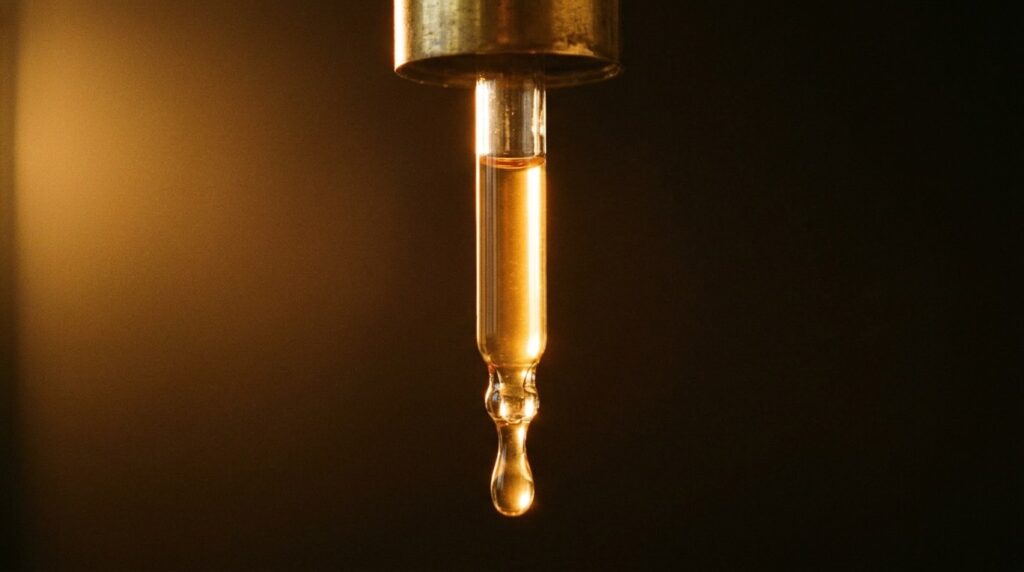
Okay so picture this. You are standing in front of a display of serums. One costs $38. The one next to it costs $220. The expensive one has beautiful packaging. Heavy glass, one of those satisfying droppers, a name that sounds like it belongs to a Swiss clinic. The ingredient list looks impressive (though let’s be honest, who can actually read those?). The sales associate tells you it is “transformative.”
So. Is luxury skincare worth it?
The honest answer is: sometimes yes, sometimes no, and the difference between those two matters way more than you might think. I have spent a lot of money (like, a lot) figuring this out. This post breaks down exactly what goes into the price of a luxury serum. The formulation costs, the packaging, the research, and the part no brand wants to talk about: the marketing premium you are paying whether the product actually works or not.
We looked at ten of the most commonly recommended luxury serums for women in their 30s, 40s, and 50s. Some of them genuinely earn every dollar. Some of them… do not. Here is what we found.
The most expensive serum is not always the most effective one. But some luxury formulations genuinely cannot be replicated at a lower price point. Knowing the difference is the most valuable thing you can learn in skincare.
How Luxury Skincare Pricing Actually Works
A $200 serum does not cost $200 to make. Not even close. In most cases the formulation cost (the actual ingredients, the manufacturing, the stability testing) is a small fraction of what you pay. The rest? Packaging, marketing, retailer margins, brand positioning, profit. Understanding this breakdown is the first step in figuring out if luxury skincare is worth it for your skin.
Here is where the money actually goes. And some of this might surprise you.
Formulation and ingredients
Typically 5 to 15% of the retail price. Five to fifteen percent. For most luxury brands, the stuff inside the bottle is the smallest line item. Now, some brands do spend significantly more here. Augustinus Bader and SkinCeuticals are examples where R&D investment is genuinely higher than the industry average. But they are the exception, not the rule.
Packaging
That heavy glass bottle with the custom pump and the embossed lid? It can cost as much as the formula itself. Sometimes more. And I get it, beautiful packaging feels luxurious. I love a gorgeous bottle on my shelf. But it is not skincare. It is not doing anything for your skin. It is just nice to hold.
Brand and marketing
This is the big one. The largest single cost in most luxury skincare is not the formula. It is the campaigns, the celebrity partnerships, the department store counters, the magazine spreads, the aspirational positioning that makes a $200 product feel like it should cost $200. So when you are asking whether luxury skincare is worth it, this is the line item that should make you pause. You might be paying mostly for the story, not the science.
Retailer margins
Department stores and Sephora take 40 to 50% of the retail price. Forty to fifty percent. That is built into the price you see on the shelf. So you are not just paying for the product. You are paying for the product, the counter, the lighting, the sales associate who told you it was transformative, and the little bag they put it in.
Clinical research
A small number of brands genuinely invest in independent clinical trials. Real trials, peer-reviewed, published. This costs serious money and is reflected in the price. And honestly? It is one of the few premiums that is actually justified. If a brand can show me the data, I will respect the price tag.
Most of the premium you pay for luxury skincare is not in the bottle. But some of it is. And identifying which brands have genuinely invested in their formulations is what separates smart skincare spending from expensive habit.
When the Price Is Justified: How to Tell If Luxury Skincare Is Worth It
Okay so it is not all bad news. There are specific situations where a luxury price tag reflects something genuinely real. Here is what to look for.
Proprietary ingredients with clinical evidence
Some brands have developed proprietary complexes that honestly cannot be replicated at a lower price point. Augustinus Bader’s TFC8 complex, SK-II’s Pitera (galactomyces ferment filtrate with over 30 years of research behind it), and SkinCeuticals’ patented vitamin C formulation. These are not marketing words. The research behind them is peer-reviewed, independently validated, and specific to those exact formulations. That matters.
Stabilisation technology
Certain active ingredients (vitamin C, retinol, peptides especially) are notoriously unstable. They degrade. They oxidize. Keeping them potent from the factory to the moment they touch your skin requires real formulation investment. Brands that have actually solved this problem charge for it, and that charge is legitimate. Because here is the thing: a cheap vitamin C serum that turned orange in the bottle before you even opened it? That is not a bargain. That is a waste of money.
Concentration and delivery
A 15% L-ascorbic acid serum that actually penetrates the skin barrier (instead of just sitting on top of it) requires careful pH management and real formulation expertise. When the concentration and the delivery system are both backed by evidence, the premium reflects real value. Not all serums are created equal, even when the ingredient list looks similar.
When You Are Paying for the Jar, Not the Formula
Now here is the other side. There are clear patterns that signal the price is mostly brand positioning. These are the warning signs that the real answer to “is luxury skincare worth it” is just… no.
Fragrance as a feature
Luxury skincare loves to use fragrance as part of the “experience.” And look, I understand the appeal. A beautifully scented cream feels expensive. But if your skin is compromised or reactive (and if you are reading this, it probably is), fragrance is one of the most common contact allergens in skincare. You are not getting better results. You are getting a nicer smell while potentially irritating the skin you are trying to repair. I had to learn this the hard way with a very expensive La Prairie product that smelled incredible and made my face burn.
Vague “proprietary complex” claims without data
If a brand mentions a proprietary complex but cannot point to actual peer-reviewed research or even explain the mechanism clearly? That complex is probably a marketing term. “Our exclusive LuminoBlend technology” sounds impressive. But it is not TFC8. It is not Pitera. It is words. I have learned to ask one question: where is the study? If there is no study, there is no premium worth paying.
Identical actives to lower-cost alternatives
Hyaluronic acid is hyaluronic acid. Glycerin is glycerin. Niacinamide and basic peptides are available in well-formulated products at literally every price point. If a $180 serum’s primary actives are ingredients you can find in a $30 alternative with good reviews and solid formulation, the extra $150 is paying for branding. Not science. Not results. Branding.
The most important question to ask about any serum is not “is this brand good?” It is: what are the active ingredients, at what concentration, and is there evidence that this specific formulation delivers them effectively?
The Serums That Are Worth It for Women Over 30
After all that, here are the luxury serums that actually earn their price tag. These are chosen based on formulation quality, clinical evidence, and results that are genuinely hard to replicate at a lower price point. Not because the packaging is pretty.
Worth Every Dollar
SkinCeuticals C E Ferulic
The gold standard. And I do not say that lightly. Patented formulation with 15% L-ascorbic acid, vitamin E, and ferulic acid. Independently tested, widely referenced in actual dermatology literature. Proven antioxidant protection and collagen stimulation. Is luxury skincare worth it when it comes to this specific product? Unambiguously yes.
View on Amazon →
SK-II Facial Treatment Essence
Over 90% Pitera (galactomyces ferment filtrate) with over 30 years of independent clinical research. Thirty years. This is not some trendy ingredient that showed up last year. It supports cell turnover, hydration, and barrier resilience. For women over 40 dealing with dull or uneven skin, the evidence is genuinely there.
View on Amazon →
Augustinus Bader The Rich Cream
The TFC8 complex with ceramides, amino acids, and growth factors. Clinical studies show measurable improvements in barrier function, texture, and skin renewal over 8 weeks. This is the one I always get asked about. And yes, the data backs it up. The luxury benchmark for a reason.
View on Amazon →
The Smarter Alternatives at a Third of the Price
And here is where it gets interesting. These mid-range formulations deliver equivalent or comparable active ingredients to their luxury counterparts. At a price that lets you actually use them consistently instead of rationing every drop like it is liquid gold. (I have been there. Applying a tiny amount of a $280 cream and wondering if I am using enough to actually do anything. It is not a great feeling.)
Better Value, Same Actives
Timeless 20% Vitamin C + E Ferulic Serum A vitamin C serum option to compare with prestige alternatives. Similar headline ingredients do not establish identical formulations, concentrations or performance. Check packaging, directions and current cost per unit. View on Amazon →
COSRX Galactomyces 95 Tone Balancing Essence
95% galactomyces ferment filtrate. The same key ingredient as SK-II FTE. At a fraction of the price. If you are curious about what Pitera-type ingredients can do for your skin but not ready to commit $185 to find out, start here. That is what I did.
View on Amazon →
Paula’s Choice Peptide Booster
Eight peptide types including matrixyl 3000, argireline, and SNAP-8. Fragrance-free. Well-formulated. For peptide benefits without a three-figure price tag, this is one of the best options out there. I have recommended this to probably a dozen women at this point and the feedback is consistently positive.
View on Amazon →
The Ordinary Buffet + Copper Peptides 1%
Multi-peptide formula with copper peptides for skin regeneration. Extremely well-formulated for the price. If firmness and texture are your main concerns, this delivers real, visible value. At thirty dollars. Thirty. I sometimes wonder how The Ordinary makes any money.
View on Amazon →
How to Spend Smarter on Skincare After 30
Is luxury skincare worth it? The answer depends on the particular formula, your needs and what you value. A higher price is not proof of better results. This guide compares ingredient information and practical trade-offs; it does not establish a measured performance advantage between budget and luxury products.
The most valuable investment you can make in your skin after 30 is barrier function first, actives second. Fix the foundation. Then, if you want to invest in luxury, invest in the formulations that have actually earned it. That is the real answer to whether luxury skincare is worth it: it depends entirely on what is in the bottle, and whether your skin is ready to receive it.
→ Start with our complete barrier repair guide
Browse product comparisons by category →
If you want to understand how I learned all of this through years of expensive trial and error, read my story here.
Sources
Research context: these sources cover ingredients, skin biology or specific tested formulations. Results depend on the concentration, delivery method and population studied. Product selections are editorial curation; these references are not head-to-head tests of all products listed.
- Mukherjee S, et al. (2006). Retinoids in the treatment of skin aging: an overview of clinical efficacy and safety. Clin Interv Aging. PubMed 18046911 Review distinguishing retinoids, formulations and tolerability.
- Pullar JM, et al. (2017). The Roles of Vitamin C in Skin Health. Nutrients. PubMed 28805671 Review covering biological roles and limits of topical evidence.
- Gorouhi F, Maibach HI (2009). Role of topical peptides in preventing or treating aged skin. Int J Cosmet Sci. PubMed 19570099 Topical peptide review; evidence varies by formulation.
- Quan T, Fisher GJ (2015). Role of Age-Associated Alterations of the Dermal Extracellular Matrix Microenvironment in Human Skin Aging: A Mini-Review. Gerontology. PubMed 25660807
Glow Protocol · glowprotocol.beauty · Science-backed skincare for women 30+
Affiliate Disclosure: This post contains affiliate links, which means we may earn a small commission if you make a purchase through these links at no extra cost to you. We only recommend products we've researched and believe offer real value. Our opinions remain our own and are not influenced by any brand or compensation.