Created using AI; curated by Glow Protocol. AI tools support research, product comparisons and writing. Our recommendations are editorial selections. How we work.
Quick answer
Glycerin and hyaluronic acid are both humectants, ingredients used to support water in the outer skin. Neither wins in every formula. Glycerin has strong evidence as a reliable moisturizer component. Topical hyaluronic acid can also improve hydration, but molecular weight and the complete formula matter. For dry or dehydrated-feeling skin, judge the moisturizer as a whole rather than buying a separate serum because one ingredient is fashionable.
Hyaluronic acid gets the larger type on the label. Glycerin often sits quietly near the top of the ingredient list. That marketing difference can make two useful humectants look like rivals when they frequently appear together.
How we curated this: AI-assisted research using the peer-reviewed sources linked below, curated for everyday skincare decisions. We have not conducted product testing or medical review.

Glycerin vs hyaluronic acid: compare the jobs
Humectants help increase water in the stratum corneum, the outermost part of the skin. Glycerin, also called glycerol, is a small humectant used across cleansers, serums and moisturizers. Hyaluronic acid is a larger sugar molecule used in several molecular weights and derivatives, including sodium hyaluronate.
A randomized crossover study in people with dry skin found that glycerol improved hydration within an emollient, while petrolatum contributed more to reducing water loss. That distinction matters: a humectant can attract or hold water, while emollients and occlusives help soften the surface and slow evaporation. Good moisturizers often combine these jobs.
| Question | Glycerin | Hyaluronic acid |
|---|---|---|
| Main cosmetic role | Humectant used widely in complete formulas | Humectant available in different molecular weights and derivatives |
| What evidence shows | Glycerin-containing formulas can improve outer-skin hydration | Specific topical HA moisturizers can improve hydration, with molecular weight affecting results |
| What the ingredient cannot tell you | How much is present or whether the formula also reduces water loss | Molecular weight, concentration, delivery and whether the formula also reduces water loss |
| Shopping implication | Do not dismiss it because it lacks a front-label claim | Do not assume a separate HA serum is automatically necessary |

Which one fits your routine?
If you want one dependable moisturizer
Start with the complete formula. Look for a comfortable moisturizer that combines humectants with emollient or occlusive ingredients. Glycerin is a useful positive signal, but it does not need to be the only humectant. Hyaluronic acid does not need to be the headline ingredient to contribute.
If a hyaluronic acid serum feels tight
Tightness does not prove that hyaluronic acid pulled water out of your skin. The serum may lack enough emollient or occlusive support, the rest of the routine may be too drying, or the formula may simply not suit you. Try placing it under a moisturizer according to its directions, or simplify to the moisturizer alone and compare comfort.
If you are shopping on a budget
Glycerin appears in many affordable formulas. A moisturizer that already contains glycerin and hyaluronic acid may make a separate hydration serum redundant. Spend around routine gaps, not ingredient prestige.
Why the whole formula matters more than the hero ingredient
A moisturizer is a system. Humectants support water content. Emollients smooth gaps between surface cells. Occlusives reduce evaporation. Preservatives help control microbial growth in water-based products, and the vehicle affects spread, finish and comfort.
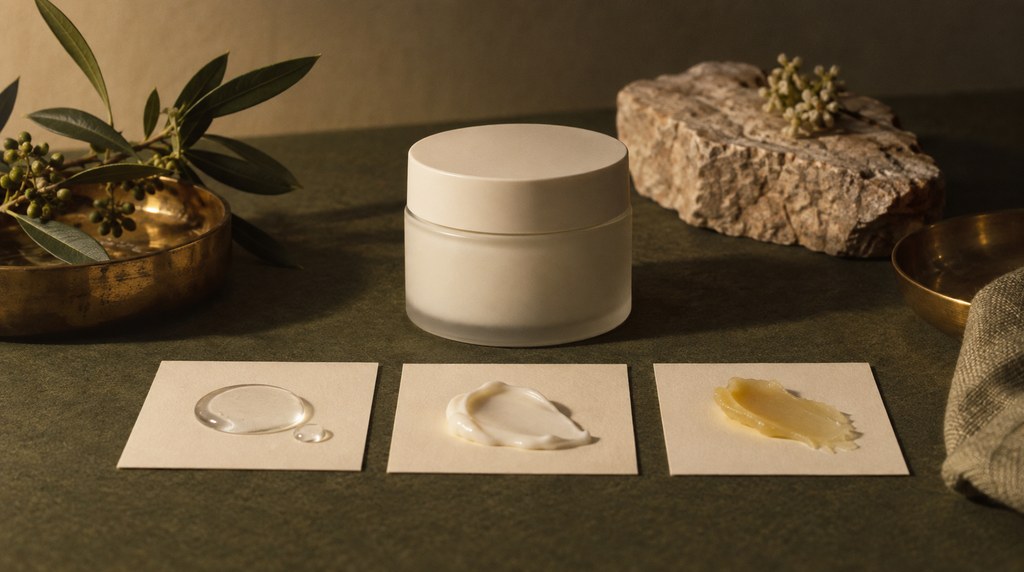
This is why a short ingredient comparison cannot predict which product will feel better. A 2024 randomized trial in older adults with dry skin found better hydration with a low-molecular-weight HA moisturizer than with high-molecular-weight HA or vehicle. The trial tested leg skin in 36 adults aged 60 to 80 over four weeks; differences in water loss and symptom scores were not significant. It does not establish that low molecular weight is always best for every person or formula.
Likewise, glycerin studies often test complete emulsions. We can say that glycerin contributes to hydration in those formulas. We should not turn that into a promise that pure glycerin or a home mixture will behave the same way. Do not add raw glycerin to a product or dilute a preserved cosmetic unless the manufacturer specifically directs it.
A simple way to use a humectant product

- Cleanse gently when cleansing is needed.
- Apply the humectant serum or moisturizer as its label directs.
- If the product is a light serum, follow with a moisturizer when your skin needs more comfort.
- Use sunscreen in the morning.
- Change one hydration step at a time and compare comfort over several days.
For the difference between oil-poor dry skin and water-depleted dehydrated skin, see our dry vs dehydrated skin guide. Our ceramides vs hyaluronic acid comparison explains why barrier lipids and humectants solve different parts of the problem.
Persistent cracking, bleeding, widespread itching or a new rash deserves professional assessment. A cosmetic moisturizer guide cannot identify eczema, contact dermatitis or another condition.
Common questions
Is glycerin better than hyaluronic acid?
There is no universal winner. Glycerin is well supported and widely used. Hyaluronic acid can also improve hydration in specific formulas. Compare complete products, cost and comfort.
Can I use both together?
Yes, many finished products already contain both. More humectant layers are not automatically more hydrating if the routine lacks a comfortable moisturizer.
Should hyaluronic acid go on damp skin?
Follow the product directions. Applying a water-based product to slightly damp skin can feel comfortable, but it is not a rule that overrides the label or replaces moisturizer.
Does glycerin clog pores?
The ingredient name alone cannot predict whether a finished product will suit acne-prone skin. Texture, other ingredients and individual tolerance matter.
Sources and how we used them
Sources checked on 27 September 2026. Studies support claims about the tested formulas and populations. They do not prove that one ingredient or retail product is best for everyone. None reviewed or endorsed this article.
- Randomized crossover study of glycerol and petrolatum in dry skin
- Randomized study of a glycerol-based emollient
- Randomized trial of topical hyaluronic acid molecular weights in older adults
- Assessor-blinded study of a combined HA and glycerin fluid. Manufacturer-supported; the combined formula cannot isolate either ingredient.
- American Academy of Dermatology: selecting anti-aging products
Affiliate Disclosure: This post contains affiliate links, which means we may earn a small commission if you make a purchase through these links at no extra cost to you. We only recommend products we've researched and believe offer real value. Our opinions remain our own and are not influenced by any brand or compensation.