Created using AI; curated by Glow Protocol. AI tools support research, product comparisons and writing. Our recommendations are editorial selections. How we work.
Quick answer
Adult acne is not solved by automatically adding more exfoliation. Mild acne may respond to an appropriate non-prescription treatment, while deep, painful or scarring acne needs a dermatologist’s assessment. A curated cosmetic routine can support comfort, but it cannot diagnose a hormonal cause or replace needed treatment.
Background guidance: AAD: adult acne treatment.
Updated : Opening answer clarified and its supporting references checked; jump navigation added. Check current price, size and seller on the retailer listing.
Affiliate Disclosure: This post contains Amazon affiliate links. As an Amazon Associate, Glow Protocol earns from qualifying purchases. If you purchase through our links, we earn a small commission at no extra cost to you. We only recommend products we have researched and believe in.
Hormonal Acne After 30: Why It Happens and What Actually Works
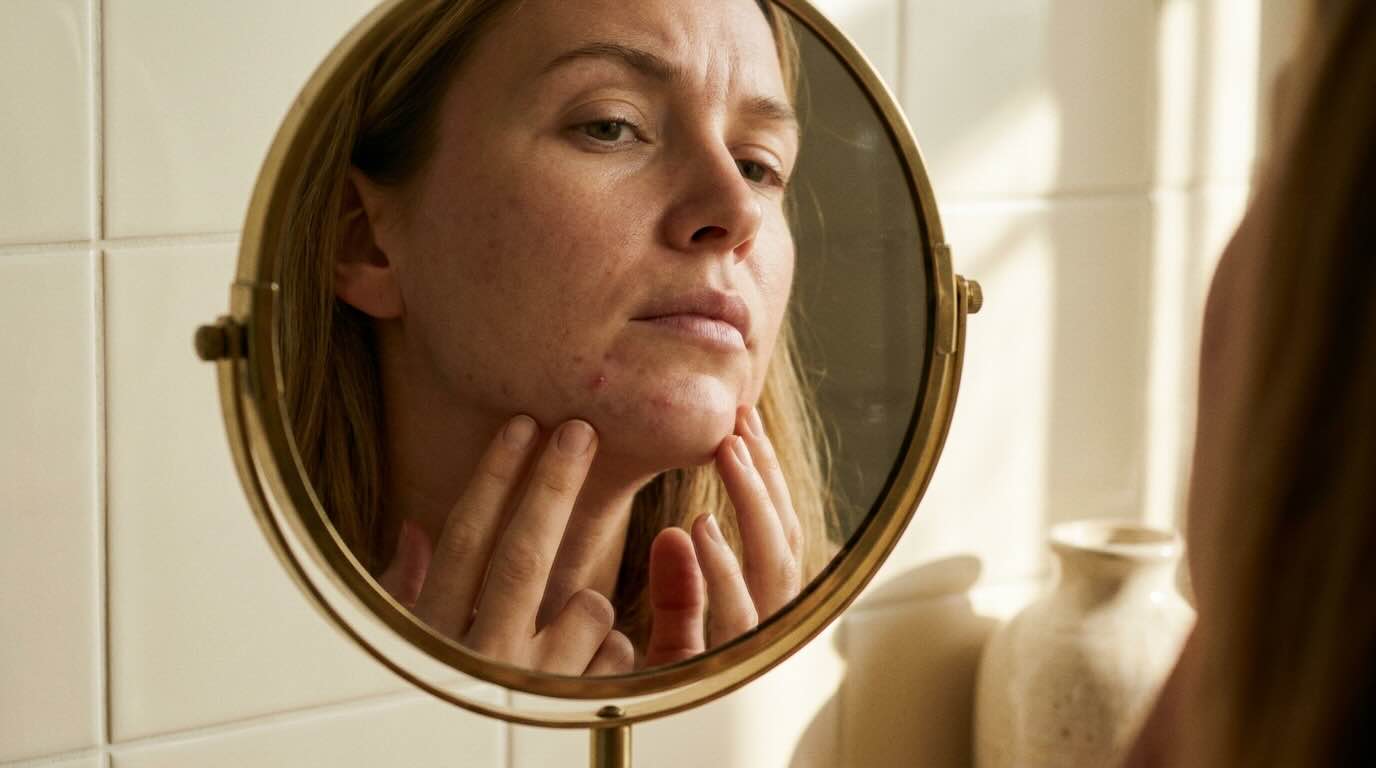
I was not supposed to get acne at 30. That was the deal, right? Teenage acne. Maybe early twenties if you were unlucky. But by 30, you’d supposedly outgrown it. You’d figured out your skincare. You’d paid your dues. The breakouts were supposed to stop. Except they didn’t.
One month I was fine. The next, I had these deep, angry bumps along my jawline. They weren’t the small whiteheads of my teenage years. These were different. Worse. More stubborn. And they came with a side of shame because I thought I was supposed to be past this. Turns out, I wasn’t alone. Adult acne, especially hormonal acne, is happening to more women after 30 than ever before. And the worst part? Most skincare advice online assumes you’re 18, not 38.
Why Acne Comes Back After 30 (It’s Not What You Think)
Estrogen levels fluctuate. Cortisol (stress hormone) impacts sebum production. Testosterone exists in women’s bodies too, and fluctuations can trigger oil production and clogging. Your skin gets drier in some places but more oily in others. And when you have an ageing skin barrier combined with hormonal disruption, you get acne that’s harder to treat than the teenage version.
What makes it worse is that the acne you get at 30+ is different. It’s usually concentrated around the jawline, chin, and cheeks. It’s deeper, cystic breakouts instead of surface whiteheads. It’s slower to heal. And it can leave post-inflammatory hyperpigmentation or scarring more easily because your skin’s natural repair processes have slowed down. The good news? Understanding that this is hormonal, not a product failure, changes everything about how you treat it.
Hormonal Acne vs Regular Breakouts: How to Tell
Before you start treating your acne, you need to know what type you actually have. The treatment is different, and using the wrong approach can make things worse. Hormonal acne has specific characteristics worth recognising.
Location matters. Hormonal acne clusters around the jawline, chin, lower cheeks, and neck. This is the giveaway. If your breakouts are concentrated here, hormones are likely involved.
Depth and severity. Hormonal acne tends to be cystic or nodular, meaning it’s under the skin, painful to the touch, and takes weeks to resolve. Regular acne from bacterial overgrowth or product buildup is usually more surface-level.
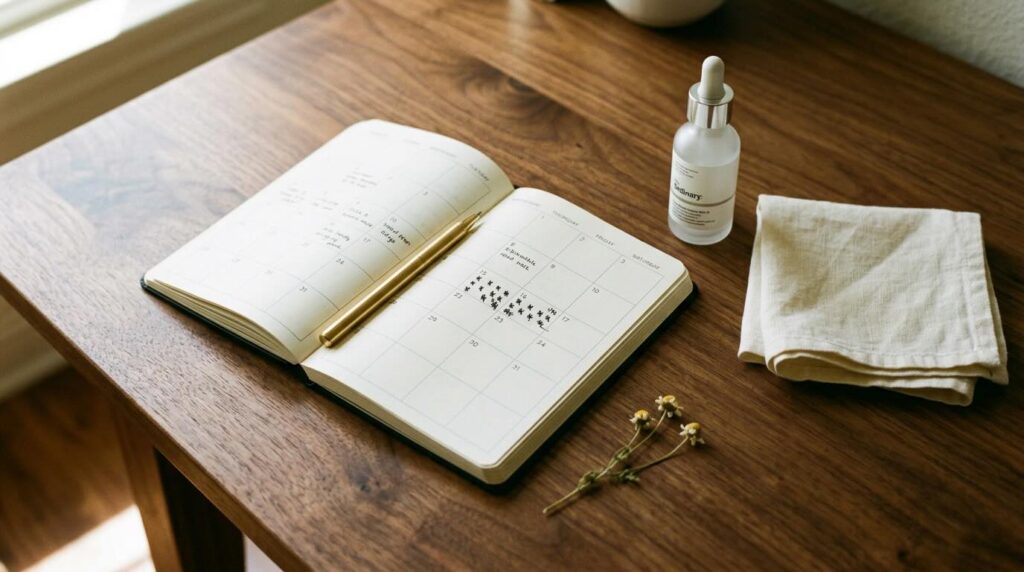
Cyclical pattern. Hormonal acne flares at specific times in your cycle. For many women, it gets worse 7 to 10 days before menstruation, when progesterone rises and sebum production increases.
Resistant to standard acne treatments. If your acne doesn’t respond well to benzoyl peroxide or salicylic acid alone, hormones are probably the culprit.
Texture and appearance. Hormonal breakouts often feel like hard bumps under the skin rather than inflamed surface pimples.
If you have hormonal acne, the strategy is different. You’re not just fighting bacteria or dead skin cell buildup. You’re working with your hormones to reduce oil production, prevent clogging, and protect your barrier while it heals.
The Ingredients That Actually Help Hormonal Acne
The acne treatments marketed to teenagers, like high-strength benzoyl peroxide or drying retinoids, often backfire on ageing skin. Your barrier can’t take the hit. But certain ingredients are shown in research to help hormonal acne without destruction.
Salicylic Acid (BHA) at Low Concentration
Salicylic acid works by exfoliating inside the pore, which prevents the clogging that hormones trigger. The key for mature skin is low concentration. The 2% formulas are ideal. Higher concentrations can irritate your barrier and cause more problems than they solve. BHA is also oil-soluble, which means it can penetrate sebum buildup and work where bacteria grows. For hormonal acne, this is more effective than surface exfoliation alone.
Niacinamide
Niacinamide is a form of vitamin B3, and it’s one of the few ingredients that directly reduces sebum production, the root cause of hormonal breakouts. It also strengthens your skin barrier, reduces inflammation, and has antimicrobial properties. The bonus? It works well for acne-prone skin without being drying or irritating. At 10% concentration, it’s effective without overdoing it.
Azelaic Acid
Azelaic acid is underrated in the acne world, but it’s specifically effective for hormonal acne and post-inflammatory hyperpigmentation. It reduces P. acnes bacteria (the acne-causing bacteria), reduces sebum production, and has anti-inflammatory properties. It’s also gentler than many acne ingredients, making it ideal for barrier repair after 30.
Gentle Cleansing and Barrier Support
This is where most people go wrong. They treat acne with aggressive products and destroy their barrier in the process. Your barrier is your defence against bacteria, irritation, and inflammation. If it’s compromised, your acne gets worse, not better. A gentle, non-stripping cleanser is non-negotiable. Paired with barrier-supportive ingredients like ceramides, peptides, and centella asiatica, you can treat acne without triggering a cycle of irritation and more breakouts.
Building a Routine for Acne-Prone Skin Over 30
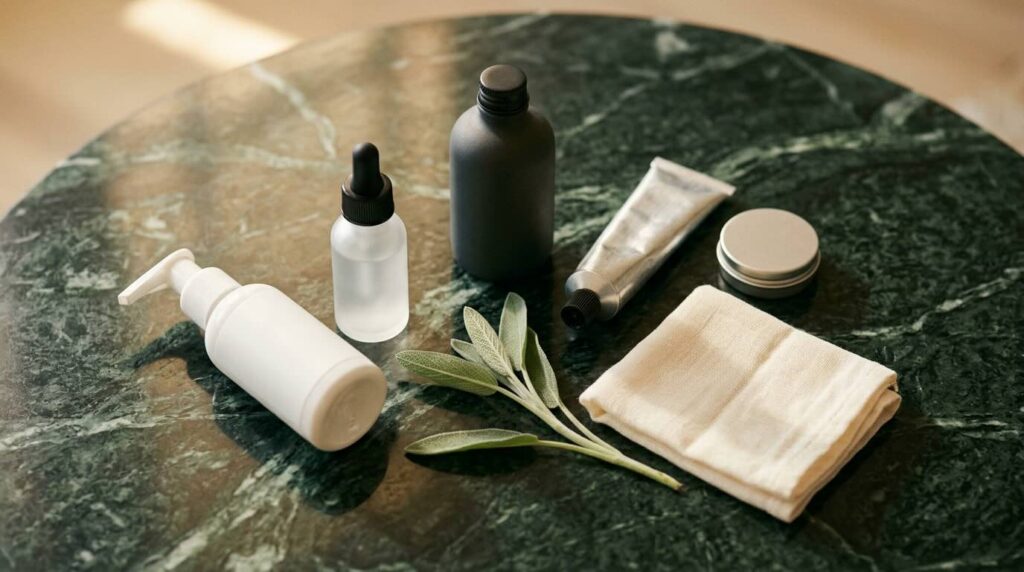
The routine that works for hormonal acne after 30 is completely different from teenage acne routines. You need to balance acne-fighting ingredients with barrier repair, hydration, and anti-ageing benefits. Here’s the structure.
Morning Routine
Gentle cleanser: Remove overnight oil and bacteria without stripping. Niacinamide serum: Control sebum production and support the barrier. Lightweight moisturiser: Hydration without clogging (this is crucial). Sunscreen: Non-negotiable. Acne treatments increase photosensitivity, and sun exposure worsens post-inflammatory marks.
Evening Routine
Gentle cleanser: Remove makeup and daily grime. BHA exfoliant (2 to 3 times per week): Prevent pore clogging without overdoing it. Start with once weekly if your skin is sensitive. Azelaic acid or targeted acne treatment (alternate nights): Fight hormonal breakouts and post-inflammatory marks. Nourishing moisturiser or barrier repair balm: Support healing overnight when your skin’s repair processes are most active.
The key principle: you’re working with your skin’s natural processes, not against them. You’re preventing clogging with exfoliation and sebum control, fighting bacteria gently, and supporting barrier repair at the same time. This approach takes longer than aggressive treatments, but it actually works. And you don’t end up with a destroyed barrier, sensitivity, or even worse acne rebounds.
The Full Routine: Six Products That Work Without Destroying Your Barrier
Let me be specific about the products that have actually worked for hormonal acne after 30. These aren’t products that promise overnight miracles. They’re research-backed, gentle, and effective.
Step 1: The Cleanser
La Roche-Posay Toleriane Hydrating Gentle Cleanser
The foundation of treating hormonal acne without barrier damage is a gentle cleanser that actually works. This one removes makeup and oil without stripping. It includes ceramides and a prebiotic thermal water, so you’re supporting your skin barrier with every wash. For acne-prone skin over 30, this is non-negotiable.
View on Amazon →
Step 2: The Sebum Control Serum
The Ordinary Niacinamide 10% + Zinc 1%
This is the non-negotiable for hormonal acne. Niacinamide directly reduces sebum production, which is the root cause. At 10%, it’s a strong dose without being irritating. The added zinc supports skin barrier function and reduces inflammation. It’s also incredibly affordable, which means you can actually use it consistently. Use morning, on damp skin, before moisturiser.
View on Amazon →
Step 3: The Chemical Exfoliant
Paula’s Choice 2% BHA Liquid Exfoliant
The gold standard for chemical exfoliation on mature, acne-prone skin. At 2%, it’s effective without being drying or irritating. It’s oil-soluble, so it works inside the pore where hormonal breakouts happen. And it includes antioxidants and skin-soothing ingredients, so you’re not just exfoliating, you’re supporting barrier health. Use 2 to 3 times weekly at night, on completely dry skin.
View on Amazon →
Step 4: The Targeted Treatment
The Ordinary Azelaic Acid Suspension 10%
The secret weapon for hormonal acne that doesn’t respond to standard treatments. Azelaic acid reduces P. acnes bacteria, reduces sebum production, and is especially effective at preventing and treating post-inflammatory hyperpigmentation, those dark marks that linger after breakouts. It’s gentler than many acne ingredients, making it ideal for mature skin. Alternate nights with the BHA, not the same night.
View on Amazon →
Step 5: The Spot Treatment
Hero Cosmetics Mighty Patch Original
For those deep, cystic breakouts that are the hallmark of hormonal acne, these patches are a game-changer. They’re hydrocolloid patches that draw out fluid from the blemish overnight. They won’t eliminate cystic acne completely, but they reduce inflammation and speed up healing significantly. Use them on clean skin before moisturiser.
View on Amazon →
Step 6: The Barrier Repair Balm
La Roche-Posay Cicaplast Baume B5
This is your barrier repair tool. When acne treatments irritate your skin or you’ve had an aggressive routine, this balm heals. It’s rich in ceramides, centella asiatica, and niacinamide, everything your barrier needs. Use it at night over your treatments to support healing. For acne-prone skin after 30, this prevents the cycle of irritation and barrier damage that makes acne worse.
View on Amazon →
The Evening Layering Order
Step 1: Toleriane Cleanser (wet face). Step 2: Pat dry, do not rub. Step 3: Paula’s Choice 2% BHA on alternate nights, on completely dry skin, wait 10 minutes. Step 4: Niacinamide on slightly damp skin. Step 5: Azelaic Acid on the nights you are not using BHA. Step 6: Mighty Patch on active blemishes if needed. Step 7: Cicaplast Baume B5 to seal everything in.
On BHA nights, you do not use azelaic acid. On azelaic acid nights, you skip the BHA. This prevents overtreatment while maintaining consistent acne-fighting benefits.
What About Anti-Ageing and Acne at the Same Time?
This is the real challenge of acne after 30. You want to fight breakouts, but you also don’t want your skin to age faster or look dull and damaged. The good news is that the routine above handles both.
Niacinamide is not just for acne. It also strengthens collagen, improves skin texture, and reduces fine lines. You are getting anti-ageing benefits while controlling breakouts.
Gentle exfoliation with BHA supports collagen. Instead of aggressive scrubbing that damages collagen, chemical exfoliation at the right concentration improves skin turnover and supports radiance without destruction.
Barrier repair supports anti-ageing. A strong barrier is the foundation of youthful skin. When you support barrier health with ceramides and barrier-supporting ingredients, you are preventing the dryness, sensitivity, and accelerated ageing that damaged barriers cause.
SPF is your anti-ageing secret weapon. This is non-negotiable. UV damage accelerates ageing and worsens acne scars and post-inflammatory marks. Consistent sunscreen use is the single best anti-ageing product you can use, and it protects acne-treated skin.
Hydration supports both concerns. Dehydrated skin looks older and is more acne-prone. Supporting hydration with humectants and occlusive moisturisers addresses both ageing and breakouts.
The mistake most people make is trying to add retinoids, vitamin C, and multiple active ingredients to fight both acne and ageing. This overloads your already-sensitive, acne-prone skin and makes everything worse. Instead, a simple routine with targeted ingredients handles both concerns without the complexity or irritation. If you want to add anti-ageing ingredients beyond the basics, do it slowly and carefully. Consider reading about building a comprehensive skincare routine after 30 and choosing the right sunscreen for more on balancing multiple skin concerns.
Understanding Your Skin Barrier and Acne Recovery
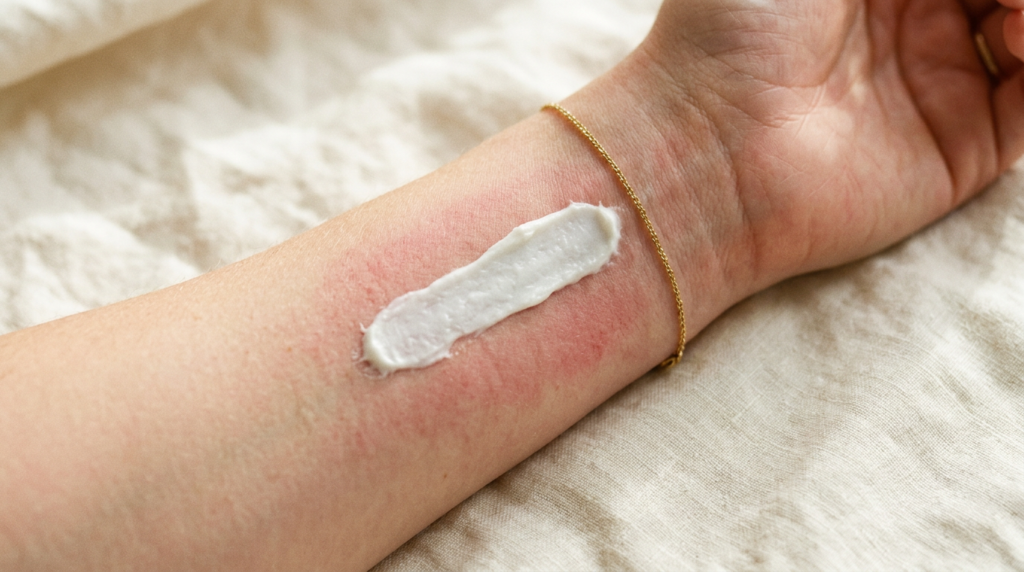
Many people don’t realise that their acne gets worse, not better, because they’re repeatedly damaging their barrier with aggressive treatments. A damaged barrier becomes more inflamed, more sensitive, and more prone to breakouts. Your skin barrier is a layer of lipids (ceramides, cholesterol, fatty acids) that protects against bacteria, irritants, and water loss. When it’s compromised, your skin becomes a breeding ground for acne-causing bacteria. It also becomes overly sensitive to actives, which makes treatment harder.
This is why supporting your barrier isn’t a luxury, it’s the foundation of treating hormonal acne after 30. For a deeper dive into barrier repair, read our guide on skin barrier repair. For more on how to layer your products correctly, our guide on skincare layering order walks through the exact sequence that works.
When to See a Dermatologist
A consistent, gentle routine with the right ingredients works for most hormonal acne. But there are times when professional help is needed. Consider seeing a dermatologist if your acne is severe, cystic, or affecting large areas of your face. If you’re experiencing significant scarring or post-inflammatory hyperpigmentation. If you’ve been consistent with a routine for 8 to 12 weeks and see no improvement. If your acne is causing emotional distress that impacts your quality of life. Or if you suspect your breakouts are related to medication, hormonal contraception, or a hormonal condition like PCOS.
A dermatologist can explore whether hormonal birth control, spironolactone, or other prescription treatments might help. They can also rule out other conditions masquerading as acne. Sometimes professional support combined with a strong home routine is the answer.
The Honest Bottom Line
Getting acne again after 30 feels like a betrayal. It feels like your skin should have outgrown this by now. But honestly? It’s common, it’s treatable, and understanding what’s actually happening changes everything. Hormonal acne after 30 is different from teenage acne, and it requires a different approach. You can’t use the same aggressive tactics that might have worked at 18. Your skin is different. Your barrier is more fragile. Your healing is slower. But you also have something you didn’t have then: knowledge, patience, and access to better ingredients.
The routine that works for hormonal acne after 30 combines three principles. Prevent clogging with gentle exfoliation and sebum control. Fight bacteria and inflammation with targeted, research-backed ingredients. Support barrier repair and hydration so your skin can heal without getting worse. This approach takes consistency. Results show up over weeks and months, not days. But when you’re treating the root cause (hormones, clogging, barrier damage) instead of just blasting your skin with drying products, you actually solve the problem instead of cycling through breakouts and sensitivity.
The products above work because they’re gentle, effective, and designed for the reality of skin after 30. But the real magic is in the routine structure and understanding that acne at this age is hormonal, not a failure. You’re not starting over. You’re just adjusting your approach to work with your skin as it is now.

Sources
Research context: these sources cover ingredients, skin biology or specific tested formulations. Results depend on the concentration, delivery method and population studied. Product selections are editorial curation; these references are not head-to-head tests of all products listed.
- Dréno B, et al. (2013). Adult female acne: a new paradigm. J Eur Acad Dermatol Venereol. PubMed 23302006 Adult female acne review; treatment is individual.
- Tan JK, Bhate K (2015). A global perspective on the epidemiology of acne. Br J Dermatol. PubMed 25597339
- Fitton A, Goa KL (1991). Azelaic acid. A review of its pharmacological properties and therapeutic efficacy in acne and hyperpigmentary skin disorders. Drugs. PubMed 1712709 Azelaic acid review; evidence depends on indication and concentration.
- Draelos ZD, et al. (2006). The effect of 2% niacinamide on facial sebum production. J Cosmet Laser Ther. PubMed 16766489 Studied 2% niacinamide; does not establish antibacterial efficacy.
Affiliate Disclosure: This post contains affiliate links, which means we may earn a small commission if you make a purchase through these links at no extra cost to you. We only recommend products we've researched and believe offer real value. Our opinions remain our own and are not influenced by any brand or compensation.