Created using AI; curated by Glow Protocol. AI tools support research, product comparisons and writing. Our recommendations are editorial selections. How we work.
Quick answer
Sun protection is central to melasma care, including protection from visible light with an appropriately tinted, iron-oxide-containing sunscreen. Gentle skincare helps avoid irritation that can worsen pigmentation. Melasma often needs an individual treatment plan; one cosmetic active and a fixed timeline do not guarantee clearance.
Background guidance: AAD: melasma self-care.
Updated : Opening answer clarified and its supporting references checked; jump navigation added. Check current price, size and seller on the retailer listing.
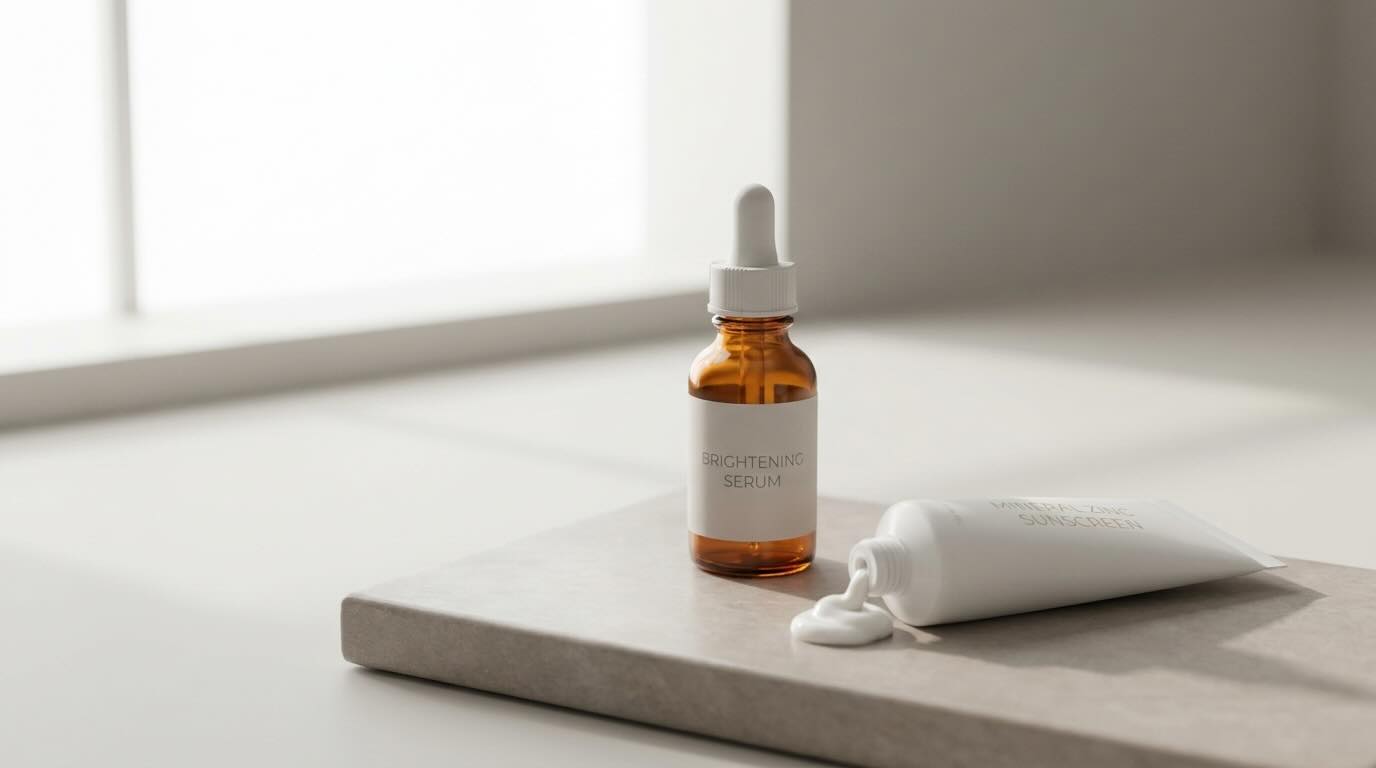
Affiliate Disclosure: This post contains Amazon affiliate links. If you purchase through our links, we earn a small commission at no extra cost to you. We only recommend products we have researched and believe in.
Melasma After 30: The Complete Guide to Actually Managing It
What I had (and what millions of other women have) is melasma. A specific type of hyperpigmentation that is far more stubborn than your average dark spot. If you are reading this, you probably already know what that feels like.
Melasma is not the same as post-inflammatory hyperpigmentation or sun damage. Those things can fade with time and the right ingredients. Melasma is deeper. It is triggered by a perfect storm of genetics, hormones, sun exposure, and skin inflammation. Once it settles in, it does not leave quietly.
The condition shows up as symmetric patches of hyperpigmentation, usually on the cheeks, bridge of the nose, forehead, upper lip, or chin. It is especially common in people with deeper skin tones and those with a genetic predisposition to it. Under the microscope, melanocytes (the cells that produce melanin) are overproducing pigment, and the extra melanin is sitting in both the epidermis and dermis. That is why topical treatments alone often are not enough.
The good news? It is manageable. The honest news? It is not curable. But with the right approach, you can fade it significantly and prevent it from getting worse. That is what this guide is about.
Why Melasma Gets Worse After 30
There is a reason melasma is sometimes called chloasma (the mask of pregnancy). Hormones are a huge trigger. But it is not just pregnancy. Oral contraceptives, hormone replacement therapy, and even the natural hormonal shifts that come with aging can all nudge melasma forward.
After 30, a few things converge.
- Cumulative sun damage. Thirty years of UV exposure (even with sunscreen) adds up. Every single unprotected minute spent in the sun over your lifetime increases the risk of melasma flaring up or deepening.
- Hormonal shifts. If you are on hormonal contraceptives or approaching perimenopause, your hormones are fluctuating in ways that can trigger or worsen melasma.
- Skin barrier changes. Aging skin has a harder time maintaining its barrier, which can increase inflammation. And inflammation is one of melasma’s best friends.
- Skipping sunscreen becomes a bigger deal. In your 20s, you might get away with occasional sun exposure. After 30, every UV hit has a stronger effect on existing melasma.
The frustrating part? You can do everything right (use sunscreen, avoid the sun, eat well) and melasma can still show up if you are genetically predisposed and hit by the right (or wrong) combination of triggers.
The Ingredients That Actually Help Manage Melasma
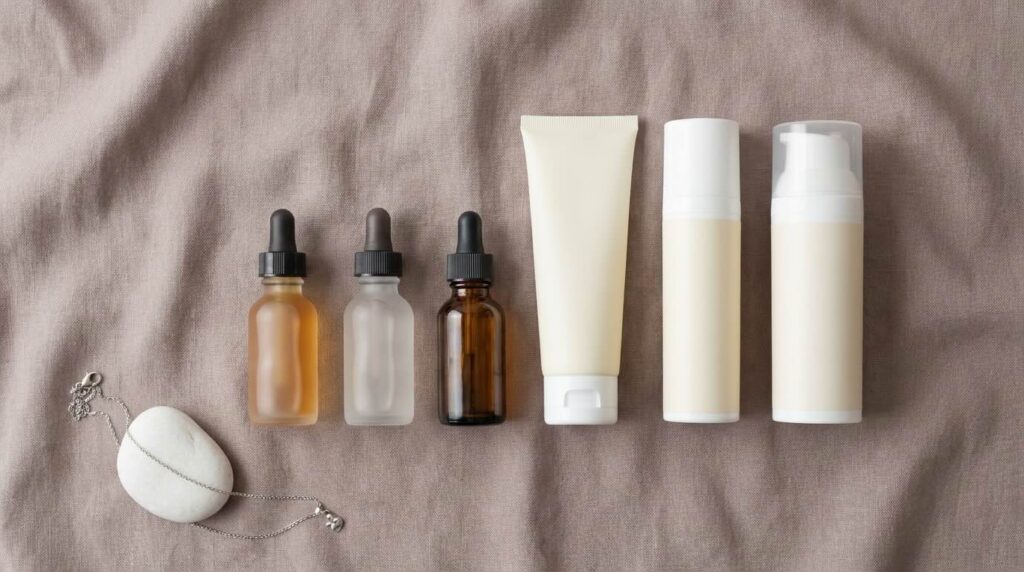
Here is where science meets strategy. Not every brightening ingredient works equally on melasma, and some are genuinely more effective than others. These are the ones backed by research and real-world results.
Azelaic Acid. This is my go-to for melasma because it works in multiple ways at once. Azelaic acid reduces melanin production, has antimicrobial properties that help with inflammation, and is evidence-backed for melasma specifically. Research suggests it is especially effective when used consistently. The catch? It can be irritating for sensitive skin at first. You need to build tolerance, usually starting 2 to 3 times a week and working up to daily use. Results take 8 to 12 weeks to show, but they are worth the wait.
Niacinamide. Niacinamide is not as aggressive as azelaic acid, but it is gentler and it works. It reduces sebum production (which can worsen inflammation), supports the skin barrier, and may help inhibit melanin transfer to skin cells. It is also less likely to irritate, which makes it a good companion ingredient in any melasma routine. For more, see our complete niacinamide guide.
Alpha-Arbutin. Alpha-arbutin inhibits tyrosinase, the enzyme responsible for melanin production. It is a gentler alternative to hydroquinone (which requires a prescription and has its own considerations) and it works by reducing melanin at the source. You need to use it consistently for 3 months to see real results, but it is reliable.
Vitamin C. Vitamin C is an antioxidant powerhouse that also has tyrosinase-inhibiting properties. It will not single-handedly fix melasma, but it is a solid supporting player in a brightening routine. It also protects against further UV damage when used in the morning. The main caveat? Vitamin C serums are notoriously unstable. Look for formulations with appropriate pH and opaque packaging, or the active ingredient degrades before it reaches your skin. See our vitamin C serum guide for stable picks.
Sunscreen: The Single Most Important Step
I am going to say this plainly. If you are not wearing SPF 50 or higher every single day, managing melasma is like trying to fill a bucket with a hole in the bottom. UV exposure is the primary trigger that makes melasma visible and worse. Every unprotected minute in the sun sets your efforts back.
This is not about vanity. This is about the fact that UVA rays penetrate clouds, windows, and reflect off water and concrete. You need mineral sunscreen (zinc oxide and/or titanium dioxide are the most stable for melasma-prone skin) applied generously and reapplied every 2 hours if you are outdoors.
More details in our full guide to the best sunscreens after 30, but the non-negotiable part is this. Commit to SPF 50 or higher, mineral formulas, and consistent reapplication. The brightening serums and treatments are the bonus features. Sunscreen is the foundation.
Building a Melasma-Friendly Routine
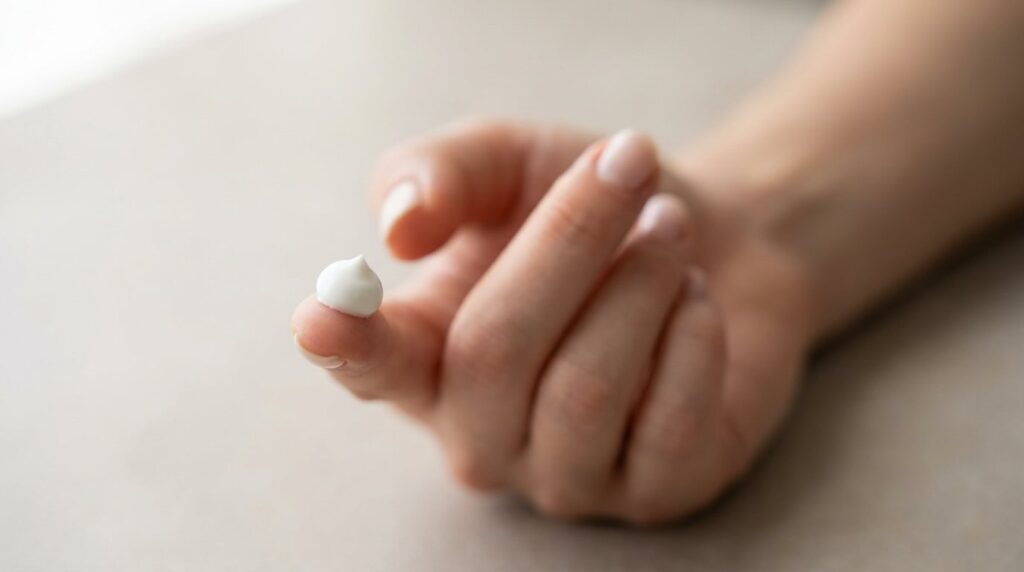
The goal with melasma is to layer gentle, evidence-backed ingredients without overwhelming your skin. Consistency matters more than adding 10 different products. Here is what a melasma-focused routine looks like.
Morning Routine.
- Gentle cleanser (non-stripping)
- Niacinamide serum to reduce inflammation and support the barrier
- Lightweight moisturiser (a compromised barrier worsens melasma)
- SPF 50 or higher mineral sunscreen, reapplied every 2 hours outdoors
Evening Routine.
- Gentle cleanser
- Azelaic acid serum (if you are tolerating it) or alpha-arbutin (if you are starting out), 2 to 5 times per week initially, building to daily
- Rich moisturiser to support barrier repair
Do not add vitamin C, retinol, AHAs, and azelaic acid all at once. That is a recipe for irritation, and irritation worsens melasma. Start with one active ingredient (azelaic acid or alpha-arbutin), build tolerance over 4 to 6 weeks, then consider adding a second.
For more on building routines designed for your skin barrier, see our skin barrier repair guide.
What Does NOT Work (Despite What You Have Heard)
I want to save you time and money. These things sound promising but do not actually move the needle on melasma.
Lemon juice and other natural remedies. Lemon juice is photosensitising and will make melasma worse. Full stop. Natural does not mean safe or effective.
Kojic acid alone. Kojic acid is a tyrosinase inhibitor, but it is unstable, has a high irritancy profile, and the research on melasma specifically is weak. It works for some people, but there are better options backed by stronger evidence.
Retinol without careful sun protection. Retinol increases sun sensitivity. If you are using it for melasma, you absolutely must pair it with SPF 50 or higher, and probably should hold off on retinol entirely until you have melasma under better control. It is not the right tool for this job. See our 7 retinol mistakes guide for the full breakdown.
Aggressive exfoliation. Physical scrubs, harsh AHAs, and daily exfoliation compromise the barrier and increase inflammation. Both of which make melasma worse. Gentle is the operative word.
Setting Realistic Expectations
I am going to be real with you. If you are hoping melasma will completely disappear, you are setting yourself up for disappointment. The research suggests the best topical treatments fade melasma by about 30 to 50 percent over 3 to 6 months. Some people see more improvement. Some see less. Genetics, depth of the melasma, and your specific skin type all play a role.
Professional treatments like chemical peels, microdermabrasion, or laser therapy can help more aggressively, but even those have limitations and require maintenance. This is a long game, not a quick fix.
What you can realistically expect.
- Noticeable fading after 3 months of consistent use with active ingredients
- Continued improvement over 6 to 12 months
- Prevention of worsening if you stay consistent with SPF and active ingredients
- Patches that may reappear if you stop sun protection or active ingredient use
- Variation in results depending on barrier health, stress levels, and hormone changes
The honest truth is that melasma is manageable, not curable. But manageable can mean a significant reduction in visibility and a huge boost to confidence. That is worth the effort.
The Best Melasma-Friendly Products at Every Budget
Here are curated product examples for the routine discussed in this guide. The luxury picks have a gold left border; the workhorse and budget options have a sage left border. These are editorial selections, not a record of personal testing or a treatment plan for melasma.
The Gold-Standard Active
The Ordinary Azelaic Acid Suspension 10%
The most evidence-backed melasma active at the most accessible price point on the market. Reduces melanin production while calming inflammation. Build tolerance: 2 to 3 times per week for the first month, then daily. Results visible at 8 to 12 weeks. The cheapest serious melasma treatment that genuinely works.
View on Amazon →
The Gentle Alternative
The Ordinary Alpha-Arbutin 2% + HA
A gentler entry point if you have sensitive skin or are new to brightening actives. Works through tyrosinase inhibition and is well-tolerated almost universally. Give it 3 months of consistent use before evaluating results. The right starting active if azelaic acid feels too aggressive.
View on Amazon →
The Daily Supporting Player
The Ordinary Niacinamide 10% + Zinc 1%
The gentle supporting player in any melasma routine. Reduces inflammation, supports the barrier, and has melanin-inhibiting properties. Can be used daily, morning or night, with almost any other ingredient. The cheapest meaningful add-on you can make.
View on Amazon →
The Reliable Mineral SPF
La Roche-Posay Anthelios Mineral SPF 50
A reliable mineral sunscreen with zinc oxide that will not worsen melasma. Light texture, minimal white cast on most skin tones, fragrance-free. This is the non-negotiable part of your routine. Wear it every day. Reapply every 2 hours outdoors.
View on Amazon →
The Maximum-Protection SPF
ISDIN Eryfotona Actinica SPF 100+
High-protection mineral sunscreen with DNA repair technology. If you are serious about preventing melasma from worsening, this is the premium option. Especially useful for outdoor activities, vacations, or anyone with stubborn melasma that flares from low-level sun exposure.
View on Amazon →
The Luxury Brightening Serum
Caudalie Vinoperfect Radiance Serum
A premium option if you want to combine brightening with skin barrier support. Contains viniferine, a plant-derived tyrosinase inhibitor that is significantly more effective than vitamin C alone, and is gentle enough to layer with active ingredients. Results take 2 to 3 months. Worth the splurge if your skin is too reactive for azelaic acid.
View on Amazon →
The Honest Bottom Line
Melasma after 30 is frustrating because it is so visible and so resistant to quick fixes. But there is a clear path forward. Commit to mineral sunscreen as your baseline (non-negotiable), layer in one proven active ingredient (azelaic acid or alpha-arbutin), support your barrier with niacinamide and a good moisturiser, and give it time. Three to six months. Not three days.
If you are not seeing movement after 6 months of consistent use, talk to a dermatologist about professional treatments. They can offer prescription-strength options or in-office procedures that topicals alone cannot match.
And remember. Melasma is not a flaw in your skin. It is common, especially in women over 30 with deeper skin tones or genetic predisposition. It is treatable. It just requires patience and consistency. Which I know is annoying, but it is the truth.
You have got this. Start with the sunscreen. Everything else builds from there.
Sources
Research context: these sources cover ingredients, skin biology or specific tested formulations. Results depend on the concentration, delivery method and population studied. Product selections are editorial curation; these references are not head-to-head tests of all products listed.
- Ogbechie-Godec OA, Elbuluk N (2017). Melasma: an Up-to-Date Comprehensive Review. Dermatol Ther (Heidelb). PubMed 28726212 Review of melasma causes and treatment limitations.
- Fitton A, Goa KL (1991). Azelaic acid. A review of its pharmacological properties and therapeutic efficacy in acne and hyperpigmentary skin disorders. Drugs. PubMed 1712709 Azelaic acid review; evidence depends on indication and concentration.
- Sheth VM, Pandya AG (2011). Melasma: a comprehensive update: part I. J Am Acad Dermatol. PubMed 21920241 Melasma background; does not diagnose an individual pigment concern.
Additional reading: For more on related concerns, see our guides on dark spots and hyperpigmentation, the best sunscreens after 30, skin barrier repair, niacinamide, and 7 retinol mistakes.
Affiliate Disclosure: This post contains affiliate links, which means we may earn a small commission if you make a purchase through these links at no extra cost to you. We only recommend products we've researched and believe offer real value. Our opinions remain our own and are not influenced by any brand or compensation.