Created using AI; curated by Glow Protocol. AI tools support research, product comparisons and writing. Our recommendations are editorial selections. How we work.
A practical myth-check for dry-skin days. Sources checked 12 October 2026.
The short answer
Slugging can help dry skin hold on to moisture. It cannot promise a complete skin reset by morning. A small amount of petroleum jelly on selected dry areas may be enough; coating your entire face is optional. If you are acne-prone, skip facial slugging. If skin is persistently sore, worsening or possibly infected, get advice rather than adding another layer.
The glossy bedtime face has become a skincare ritual in its own right. But shine is not a useful measure of whether your skin needs an ointment. Before copying a routine, ask a smaller question: which area feels dry, and what would extra moisture protection actually improve?
Prepared for Glow Protocol using AI-assisted research into the linked sources. We have not conducted hands-on testing or medical review. This is general skincare information, with no affiliate links.
What “slugging” means
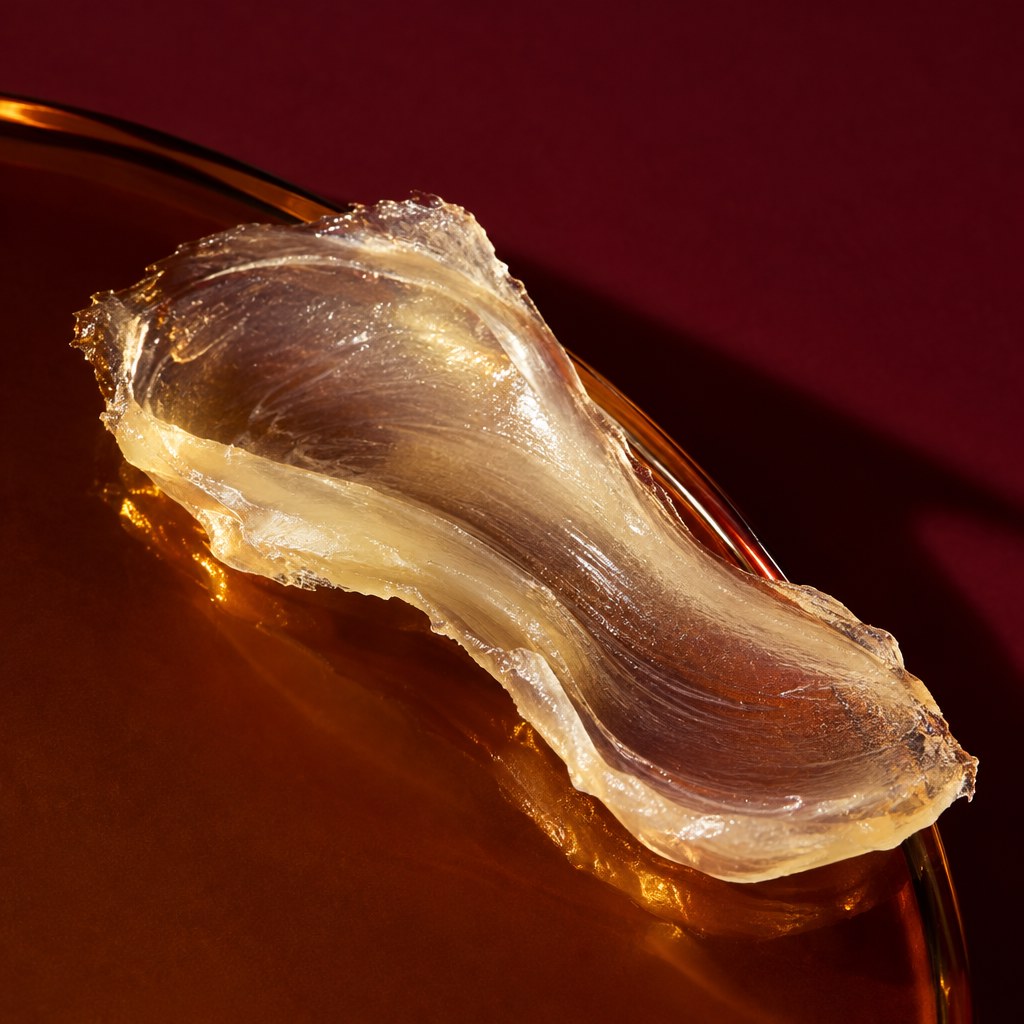
Slugging is the name commonly given to applying a petrolatum-based ointment as the final evening skincare step. The technique was described in a 2022 study of online slugging videos. That study examined the videos’ content, not whether viewers’ skin improved.
Petrolatum, also called petroleum jelly, is an occlusive: it helps limit water escaping from the skin. Think of it as moisture protection. The American Academy of Dermatology recommends petroleum jelly for dry skin, ideally applied while skin is damp.
Myth 1: one shiny night proves your skin is repaired
A comfortable morning is welcome, but it does not establish that every cause of dryness has resolved. A photograph cannot measure how your skin is functioning, either.
There is genuine research behind petrolatum. A 2016 study involving 36 healthy participants and 13 people with atopic dermatitis examined molecular and structural responses to petrolatum under controlled conditions. It found changes in skin-barrier-related markers. Those findings support its biological relevance; they do not validate every multi-product bedtime routine or guarantee an overnight result for an individual.
A useful expectation: assess dryness and comfort without setting a one-night deadline or treating a glossy finish as evidence of success.
Myth 2: everyone should do it nightly
Skin needs differ, and a moisturiser that already leaves you comfortable may be enough. There is no reason to add a step purely because you have reached a certain age or seen someone else recommend it.
Acne-prone skin is an important exception. The AAD advises avoiding petroleum jelly on an acne-prone face, because some people develop breakouts. An ointment is not an acne treatment.
Cleveland Clinic dermatologist Amy Kassouf also advises against slugging oily or infected skin. Her guidance does not prescribe a universal nightly schedule. Use your skin’s needs as the starting point.
Myth 3: a thicker coat means a better result
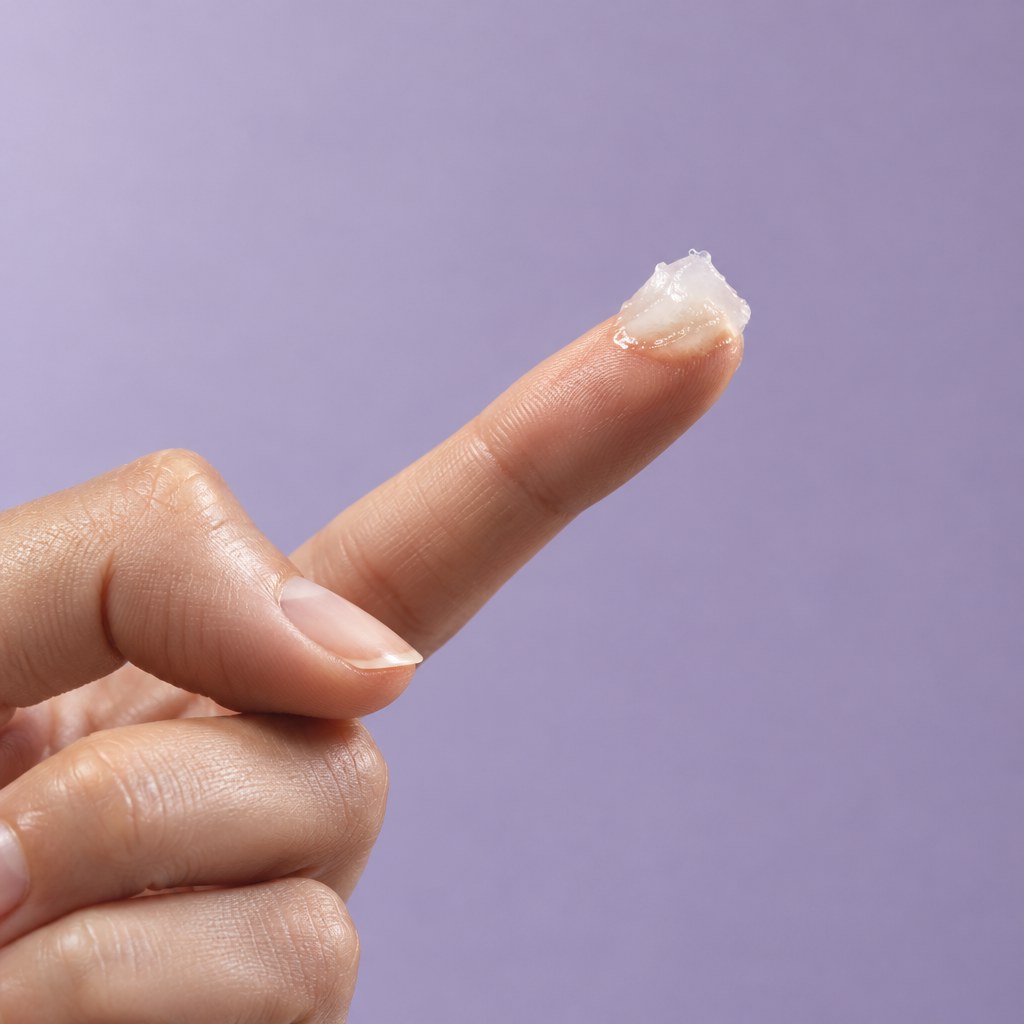
The aim is a thin protective layer. In the National Eczema Association’s dermatologist interview, Dr Sabra Leitenberger recommends enough to thinly cover the skin. Her advice concerns eczema care; it does not establish a thicker-is-better rule for everyone.
For someone with one dry cheek area and otherwise comfortable skin, targeting that area is a more restrained experiment. There is no need to buy a special “slugging” kit or match a video’s shine. If the texture feels unpleasant, you are allowed to prefer a cream.
Myth 4: sealing in every active makes the routine better
More layers are not a dependable route to better results. Cleveland Clinic cautions against using retinoids and exfoliating acids beneath petroleum jelly because irritation can increase. Keep a first trial simple. If you use prescription skincare, ask your prescriber how an ointment fits their instructions rather than changing that treatment yourself.
If it fits your skin, try the smallest useful routine
- Check the product. Choose a fragrance-free ointment and read the full ingredient list. Avoid any ingredient you already know you react to.
- Test before wider use. The AAD recommends a small-area test twice daily for seven to ten days. Stop if a reaction develops. This home check cannot diagnose an allergy or guarantee future tolerance.
- Cleanse gently, then moisturise. Use warm water and your usual gentle cleanser. Apply a familiar fragrance-free moisturiser while skin is slightly damp, following its directions.
- Add a thin layer where needed. Keep the ointment out of your eyes. There is no requirement to cover areas that already feel comfortable.
- Keep the morning gentle. Cleanse away residue without scrubbing. Continue your normal sun protection; an ointment does not replace sunscreen.
The cleansing and moisturising steps follow AAD dry-skin guidance. Targeted application is a practical way to keep the experiment limited.
The useful takeaway
Slugging is an optional way to protect moisture on dry areas. Start with the need, keep the amount modest and judge comfort rather than shine. If your current routine works, you can happily leave this trend out.
Source notes: AAD guidance supports general skincare advice; Cleveland Clinic provides direct dermatologist guidance; the linked papers have different research questions and do not establish an overnight guarantee. DailyMed supplies product-label cautions. Sources checked 12 October 2026; none has reviewed or endorsed this article.
Affiliate Disclosure: This post contains affiliate links, which means we may earn a small commission if you make a purchase through these links at no extra cost to you. We only recommend products we've researched and believe offer real value. Our opinions remain our own and are not influenced by any brand or compensation.