Created using AI; curated by Glow Protocol. AI tools support research, product comparisons and writing. Our recommendations are editorial selections. How we work.
A better goal for your next wash
Clean skin does not need to feel tight, scrubbed or squeaky. Start with a gentle cleanser, lukewarm water and your fingertips. Rinse thoroughly, dry gently and use a moisturiser that suits you. Before buying another bottle, check whether the way you wash is making an otherwise simple step harder on your skin.
There is a particular temptation at the sink: another pump, a hotter rinse, a little more pressure around the nose. It can turn a routine task into a test of how clean your face can feel. This guide takes the opposite practical approach: give each part of the washing step a purpose, and leave out the extra work.
Prepared for Glow Protocol using AI-assisted research into the primary sources linked below. This is general skincare education, not a diagnosis or a medically reviewed treatment plan. We have not conducted hands-on product testing.
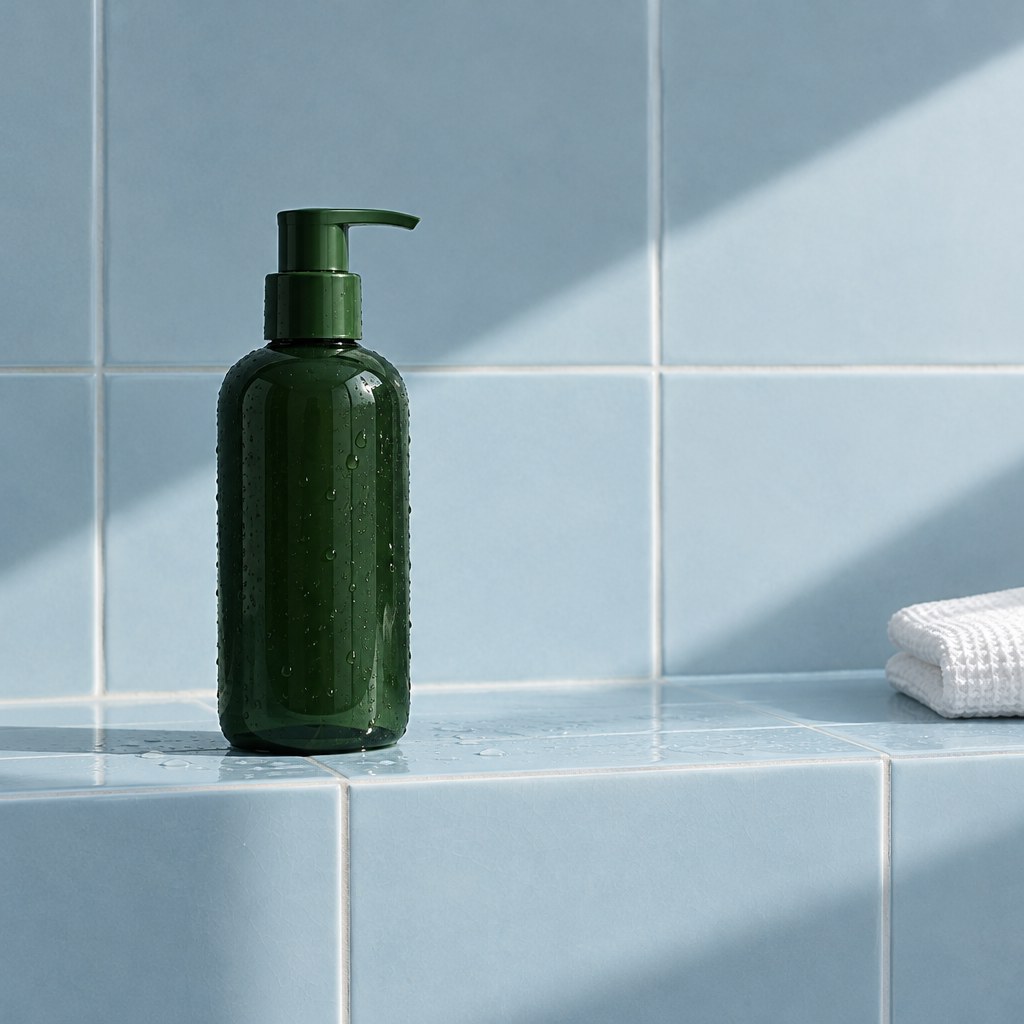
A gentler face-washing routine
The American Academy of Dermatology’s face-washing guidance is a useful foundation. It favours gentle technique over scrubbing. Here is a short version you can keep beside the sink:
- Check the water. Use lukewarm water rather than making the rinse hotter to feel more thorough.
- Apply a gentle, non-abrasive cleanser with your fingertips. Follow the product’s directions for amount and use. Scrubbing tools are unnecessary for this basic washing step.
- Rinse without rubbing hard. Remove the cleanser, then pat with a soft towel. Avoid rubbing during both washing and drying.
- Moisturise if your skin is dry or itchy. Use a familiar product rather than turning the finish into another experiment.
You can write that as four words on a note: lukewarm, fingertips, rinse, moisturise. The point is to make the routine easy enough to follow when you are tired, not to create a new ritual with more equipment.
Three habits worth reassessing
1. Washing again whenever you notice shine
The AAD’s acne advice recommends gentle cleansing up to twice daily and after sweating, rather than repeated washes through the day. It also cautions that abrasive tools and irritating products can make acne care more difficult. If you are treating acne, keep your treatment plan separate from the urge to wash harder.
A useful personal check is to count how often your face meets cleanser, including the shower and the gym. You may discover that the “extra” wash is already the third or fourth. This is an observation exercise, not a requirement to track every step indefinitely.
2. Treating dry skin as a signal to add another active
The AAD’s dry-skin guidance prioritises gentle, fragrance-free care and moisturising. It advises creams or ointments for dry skin and recommends dermatology advice if simple care does not help. Adding an exfoliant is not the default next move when washing leaves you uncomfortable.
Look at what you already have before ordering something. A comfortable moisturiser sitting in the cupboard may be more useful than a new serum chosen to compensate for a washing step you dislike.
3. Changing several products at once
If you replace your cleanser, moisturiser and treatment together, your own experience becomes harder to interpret. Our editorial suggestion is to change one non-prescribed step at a time where practical. Keep a brief note of what you changed and any discomfort, so you can explain the pattern if you need professional advice. Do not stop prescribed treatment merely to run a skincare experiment.
Do you actually need a new cleanser?
Ask three questions before shopping:
- What is the specific problem? Tightness after rinsing, a texture you dislike and makeup left behind are different concerns.
- What have I checked already? Water temperature, rubbing and the bottle’s own instructions cost nothing to review.
- What would a replacement change? Choose for that job rather than a longer ingredient list or a fashionable name.
If your present cleanser removes what you need it to and feels comfortable, keep it. There is no product shortlist in this guide because the next useful step may be adjusting your technique.
When you do introduce a product, follow the AAD’s small-area testing advice: test twice daily for seven to ten days. For cleansers, preserve the rinse-off use and follow the product’s instructions. Stop if a reaction develops. A home test may help identify a problem but cannot guarantee tolerance or diagnose a contact allergy.
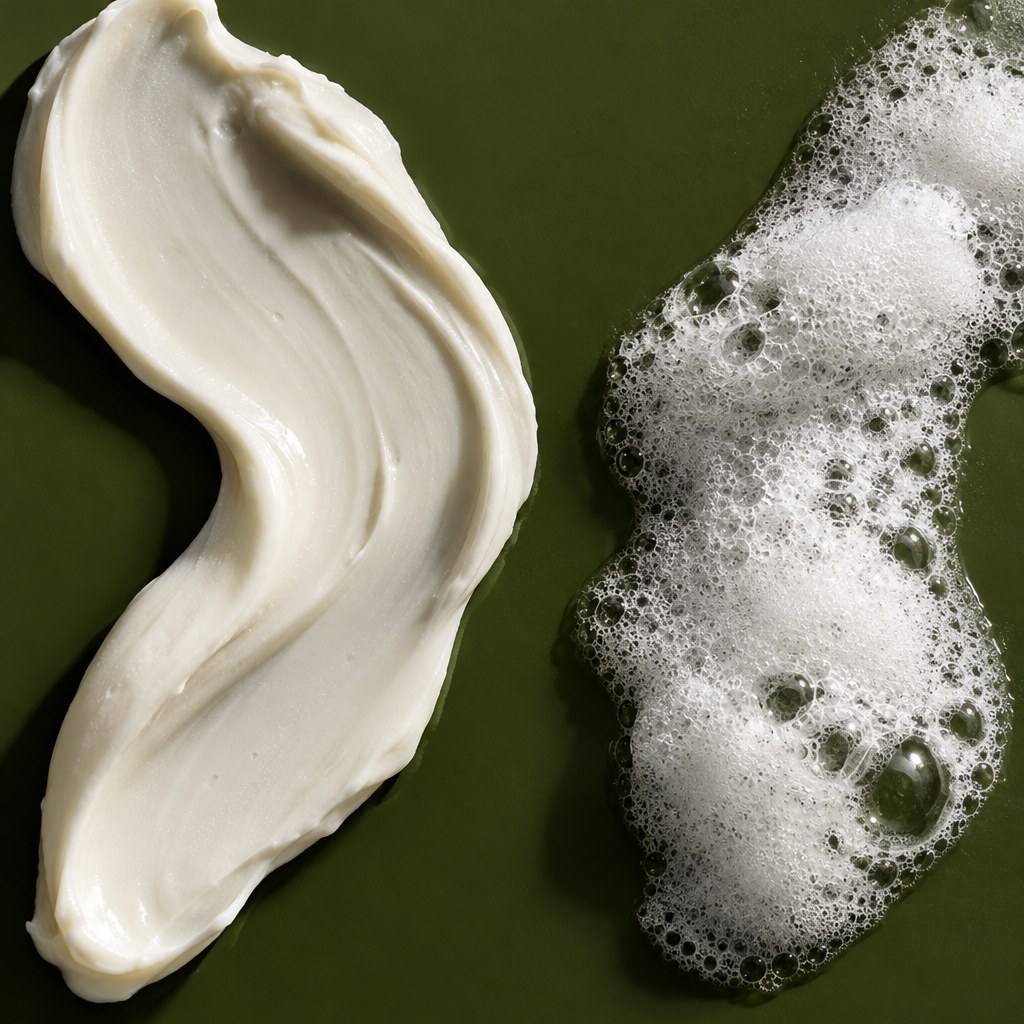
Questions that come up at the sink
Do I need to wash for exactly 60 seconds?
The AAD’s basic face-washing guidance does not prescribe a universal 60-second rule. Follow your cleanser’s directions rather than adding a timer as another performance target. Medicated washes may have specific instructions, so do not substitute a social-media rule for the label.
Should I always double cleanse at night?
That is a separate decision about what you need to remove. We have not tested your makeup, sunscreen or cleanser combination. Follow the relevant removal directions and consider whether one wash already does the job. Our double-cleansing guide explores when a second step may be useful.
What if I have rosacea?
Use your clinician’s plan. The AAD’s rosacea-specific guidance recommends a mild cleanser, careful rinsing and gentle drying; it also advises avoiding rubbing and scrubbing. It suggests applying moisturiser to dry skin to reduce stinging. This is why a blanket instruction to apply every product to damp skin is not helpful for everyone.
What if even gentle products sting?
Persistent burning, itching, soreness or a recurring rash deserves assessment. Do not keep cycling through new products or assume that stinging proves a formula is doing something useful. Bring the product names and your symptom notes to a dermatologist or other qualified clinician.
Sources checked on 12 October 2026. Links lead to American Academy of Dermatology patient guidance; the organisation has not reviewed or endorsed this article. Images are AI-generated editorial illustrations, not product-testing photographs or evidence of skin results.
Affiliate Disclosure: This post contains affiliate links, which means we may earn a small commission if you make a purchase through these links at no extra cost to you. We only recommend products we've researched and believe offer real value. Our opinions remain our own and are not influenced by any brand or compensation.