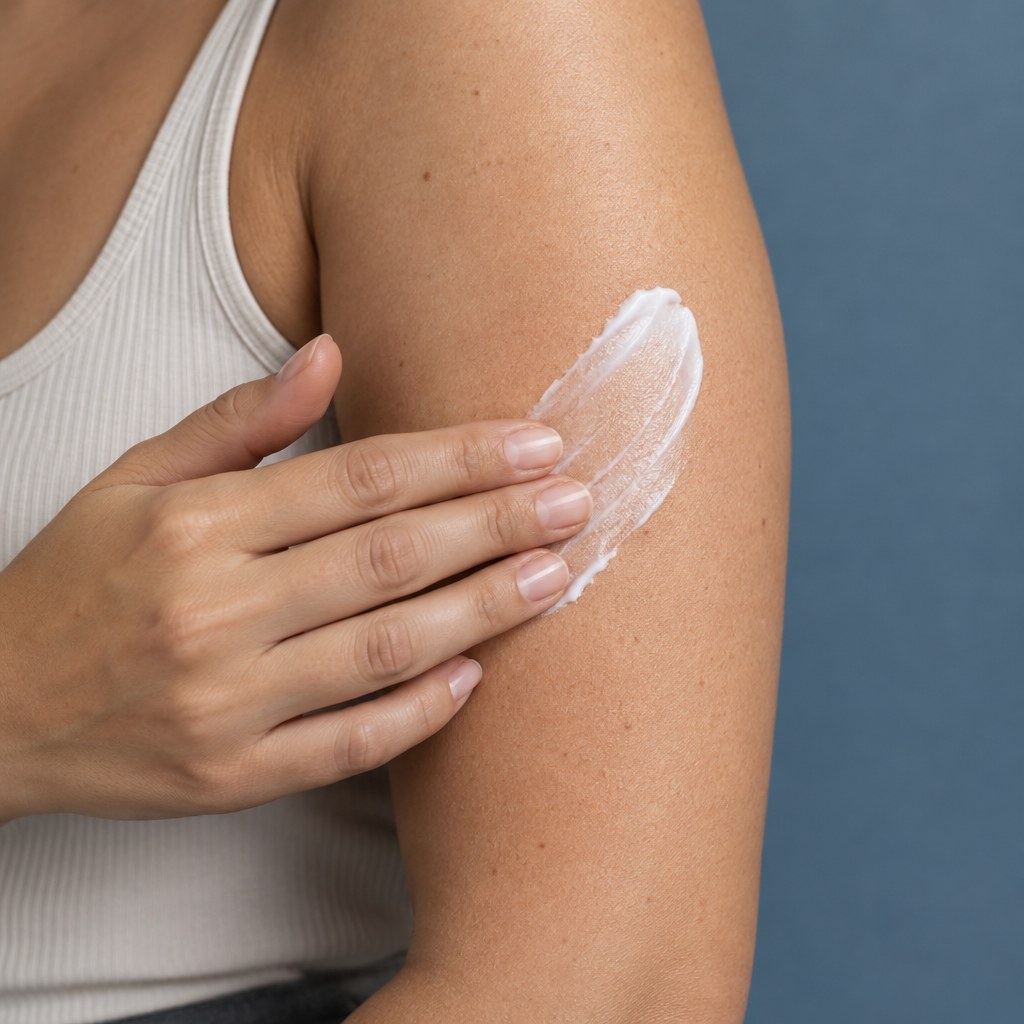
Rough Upper Arms? A Gentle Routine for Keratosis Pilaris
Rough upper arms may be keratosis pilaris. Start with gentle washing and moisturising, understand optional exfoliation and know when to get advice.
Explore skincare changes after 30, from ingredients and everyday routines to shifting priorities across life stages.
Showing 1–12 of 22 articles
Rough upper arms may be keratosis pilaris. Start with gentle washing and moisturising, understand optional exfoliation and know when to get advice.
A gentler face-washing routine starts with water, technique and fewer unnecessary steps. Here’s what to check before buying another cleanser.

Both formats can protect against UV. Tinted sunscreen with iron oxides can add visible-light protection that matters for some pigment concerns.

Compare sunscreen stick vs lotion by coverage, application, reapplication and the areas where each format is easiest to use.

Skincare pilling? Troubleshoot product amounts, timing and layering with a simple sequence that keeps your sunscreen protection a priority.

Compare drugstore vs luxury skincare across eight categories. Check formulas, understand the trade-offs and decide where your routine is worth spending on.

Rosacea after 30 guide: 13 gentle products, plus the calming routine with 10% azelaic acid, niacinamide, and centella that reduces flushing and redness.

Explore a simpler postpartum skincare routine, product-selection considerations and when to seek advice, without a fixed recovery timetable.

Complete skin cycling guide for women 30+ and 40+. Exfoliation, retinol, peptides, recovery. The 4-night rotation Dr Whitney Bowe popularised, with 11 product picks ranked.

Compare under-eye creams and serums by format, ingredients and intended use, separating temporary cosmetic effects from longer-term product claims.

Compare neck and chest moisturising options, peptides and sun protection. Assess what a dedicated product adds to the routine you already have.

Build a manageable evening routine around cleansing and moisturising, with optional peptides or retinoids and practical compatibility checks.