Created using AI; curated by Glow Protocol. AI tools support research, product comparisons and writing. Our recommendations are editorial selections. How we work.
Quick answer
Both tinted and untinted broad-spectrum sunscreens protect against ultraviolet radiation when used correctly. A tint that contains iron oxides can add protection against visible light, which is relevant for melasma and some forms of persistent pigmentation, especially in deeper skin tones. The best everyday choice still needs an acceptable shade, enough application and reliable reapplication.
Tint is often described as a cosmetic finish. For pigment-prone skin, it can also change the wavelengths a formula helps attenuate. That does not make every tinted sunscreen superior for every person, and the SPF number still measures ultraviolet protection rather than a universal visible-light rating.
How we curated this: AI-assisted research using dermatology guidance and the clinical studies linked below, curated for everyday skincare decisions. We have not conducted product testing or medical review.
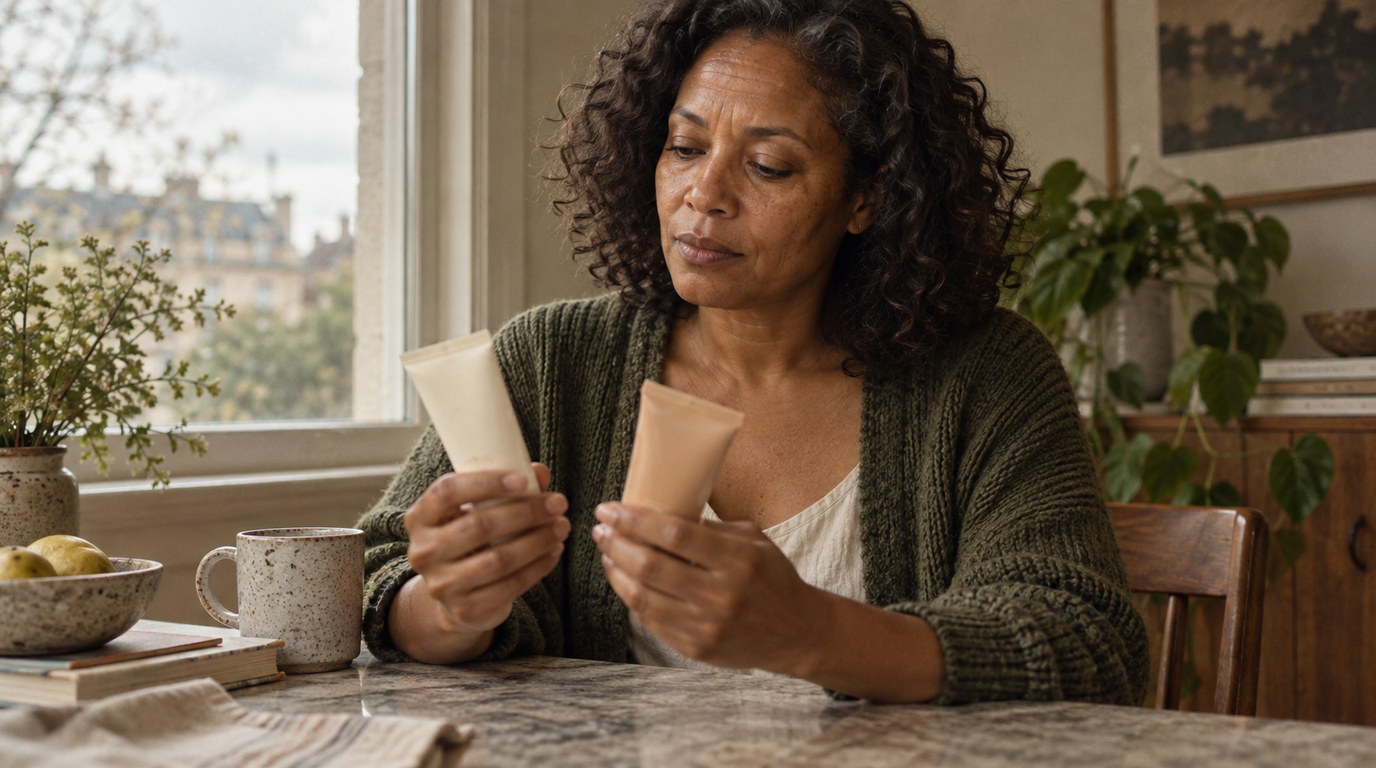
Tinted vs untinted sunscreen: what changes?
Broad-spectrum sunscreen is designed to protect against UVA and UVB radiation. Tinted formulas often add iron oxide pigments to create shade. Those pigments can also reduce transmission of visible light.
Visible light matters most clearly in the evidence for pigmentary conditions. In a randomized trial of 68 people with melasma, both groups used SPF 50 or higher sunscreen and hydroquinone. The group using sunscreen with iron oxide for visible-light protection had greater improvements over eight weeks than the UV-only sunscreen group. Because both groups also used a treatment, this study supports a visible-light role but does not show what sunscreen alone will do for every reader.
| Question | Tinted sunscreen with iron oxides | Untinted sunscreen |
|---|---|---|
| Core job | UV protection, plus some visible-light attenuation when suitable pigments are present | UV protection according to its broad-spectrum and SPF claims |
| May suit | People prioritizing melasma or dark-mark protection who can find a wearable shade | People who prefer a clear finish or cannot find a tint they will apply generously |
| Common obstacle | Limited shade range, transfer, uneven tone or reluctance to reapply | White cast in some formulas and less visible-light attenuation without pigments |
| Non-negotiable | Apply enough, cover exposed areas and reapply as directed | Apply enough, cover exposed areas and reapply as directed |

Who may prefer tinted or untinted?
Consider tinted when pigmentation is the priority
The AAD recommends considering tinted sunscreen with iron oxides when visible light contributes to dark spots, especially in darker skin tones. A 2025 investigator-blinded study enrolled 42 women with melasma for five months. The tested tinted sunscreen improved measured color uniformity compared with the untinted sunscreen, but melasma severity scores improved in both groups without a significant difference between them. The study was manufacturer-funded and several authors were manufacturer employees. It tested Bioderma formulas, not the Eucerin option above.
Choose untinted when it improves real use
An elegant untinted broad-spectrum sunscreen that you apply generously can be more useful than a tint that looks wrong, transfers or gets used sparingly. You can also ask a dermatologist about combining ultraviolet and visible-light protection when melasma or persistent hyperpigmentation is a main concern.
Do not use tint as proof of iron oxide content
Read the ingredient list. A beige or peach appearance does not by itself tell you which pigments are present or how much visible light the formula attenuates. Products do not share one standard visible-light protection number, so avoid precise comparisons that the label cannot support.
A five-point label check
- Broad spectrum: confirms UVA and UVB coverage under the market’s labeling rules.
- SPF 30 or higher: matches general AAD advice for everyday exposed skin.
- Water resistance: useful when swimming or sweating, with the stated time limit.
- Iron oxides: look for pigment names or color-index entries when visible-light protection is the goal.
- Shade and finish: the tint must work at the amount you need, not only as a sheer sample.

Testing on the forearm can reveal shade and transfer, but the face may differ in tone and texture. Check the return policy before opening a costly product. If the tint is too light, dark, orange or grey at a full application, it is unlikely to become your reliable sunscreen.
The sunscreen you apply correctly still wins
Format does not remove the basics. Apply sunscreen to exposed skin before going outdoors and reapply according to the label, especially after swimming or sweating. Add shade, clothing, a hat and sunglasses rather than asking one cosmetic layer to do every job.
Our sunscreen comparison guide helps you compare daily options. The stick vs lotion guide explains why convenient touch-ups do not automatically replace a thorough base layer. For pigment routines, connect this choice to the dark spots guide.
A new, changing, irregular or bleeding mark needs professional assessment. Sunscreen is preventive care, not a way to diagnose or treat a suspicious lesion.
Common questions
Does tinted sunscreen have a higher SPF?
Not because it is tinted. SPF and broad-spectrum claims describe UV protection. Pigments can add visible-light attenuation without changing the labeled SPF.
Is tinted sunscreen only for darker skin tones?
No. Anyone can use it. The visible-light evidence is especially relevant to darker skin tones and pigmentary concerns, while shade matching remains individual.
Can foundation provide the same protection?
Some makeup contains iron oxides, but ordinary makeup application may be too thin or uneven to substitute for labeled sunscreen. Use sunscreen as the base and treat makeup as a separate cosmetic layer.
Does phone blue light mean I need tinted sunscreen indoors?
The clinical concern in the sources reviewed centers on visible light exposure and pigmentation, particularly daylight. Do not let screen marketing distract from sunlight through daily life and the basic UV-protection routine.
Sources and how we used them
Sources checked on 27 September 2026. The trials involve people with melasma and specific tested sunscreens. We used them to explain visible-light protection, not to claim that every tinted formula prevents or treats pigmentation. None reviewed or endorsed this article.
- Randomized trial of UV-visible-light versus UV-only sunscreen in melasma
- 2025 prospective randomized study of tinted versus untinted sunscreen
- American Academy of Dermatology: latest in sun protection
- American Academy of Dermatology: sunscreen FAQs
- International Journal of Dermatology: guide to tinted sunscreens in skin of color
Affiliate Disclosure: This post contains affiliate links, which means we may earn a small commission if you make a purchase through these links at no extra cost to you. We only recommend products we've researched and believe offer real value. Our opinions remain our own and are not influenced by any brand or compensation.