Created using AI; curated by Glow Protocol. AI tools support research, product comparisons and writing. Our recommendations are editorial selections. How we work.
Quick answer
Choose a salicylic acid cleanser if you want the ingredient within your washing step. Choose a leave-on if you want to keep your existing cleanser and control exfoliation separately. Neither format is automatically gentler or more effective. Start with one, follow its directions and judge both skin comfort and progress. You do not need to buy the pair.
As an Amazon Associate I earn from qualifying purchases. Glow Protocol may earn a commission at no extra cost to you. The Amazon link below is an affiliate link; the CeraVe link is a manufacturer information page.
Two clearly different starting points
For the wash-off route
CeraVe Acne Control Cleanser
The US version declares 2% salicylic acid and is a gel-to-foam cleanser for acne-prone, oily skin. Its listed ingredients include niacinamide, three ceramides and hectorite clay. It has no added fragrance.
Trade-off: this replaces a cleansing step, but you still need to rinse it thoroughly. Ceramides do not guarantee that a medicated cleanser will feel comfortable on your skin.
Check for Acne Control Cleanser on the pack. Renewing SA Cleanser and Acne Foaming Cream Cleanser are different products.
For a separate leave-on step
Paula’s Choice Skin Perfecting 2% BHA Liquid Exfoliant
A fragrance-free liquid with 2% salicylic acid, applied after cleansing and left on. The US ingredient list also includes methylpropanediol, butylene glycol and green tea.
Trade-off: you can keep a cleanser you already like, but this adds another step and purchase. Leaving it on longer does not establish that it will outperform every cleanser.
Choose the Liquid Exfoliant, rather than the pads, gel or lotion. Check the manufacturer’s details.
These are US product identities. Match the name and current packaging, then compare seller, size, delivery and total cost. Formulas can change, and regional versions may differ.
How we curated this: AI-assisted research using manufacturer information, product labelling and the medical guidance linked below, curated for everyday skincare decisions. We have not conducted product testing or medical review. Sources checked on 4 October 2026.
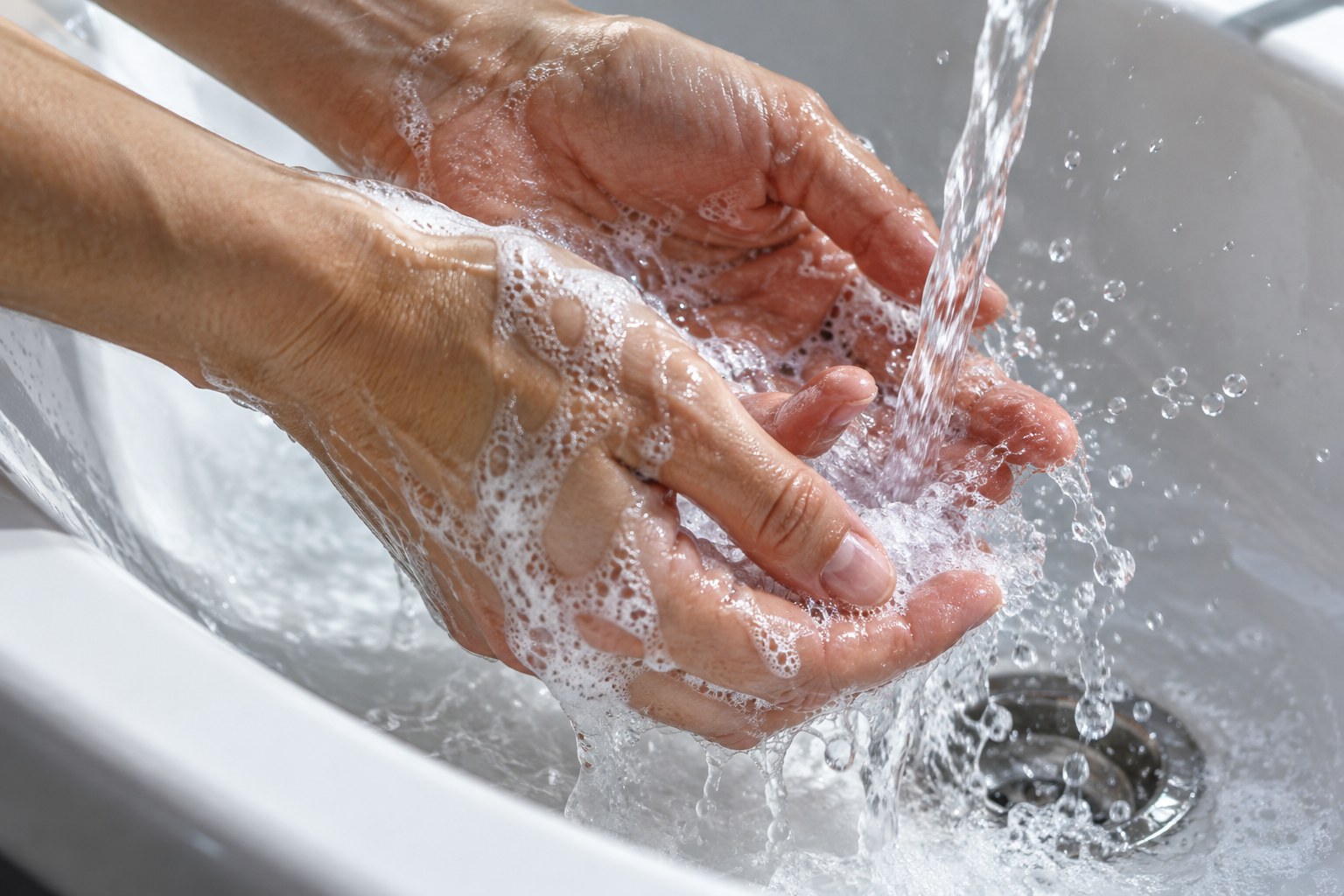
The practical difference is where the step lives
Salicylic acid is a beta hydroxy acid, usually shortened to BHA. The American Academy of Dermatology identifies it as an option for blocked pores, particularly blackheads and whiteheads. It is not the answer to every type of breakout. Read the AAD’s adult-acne guidance.
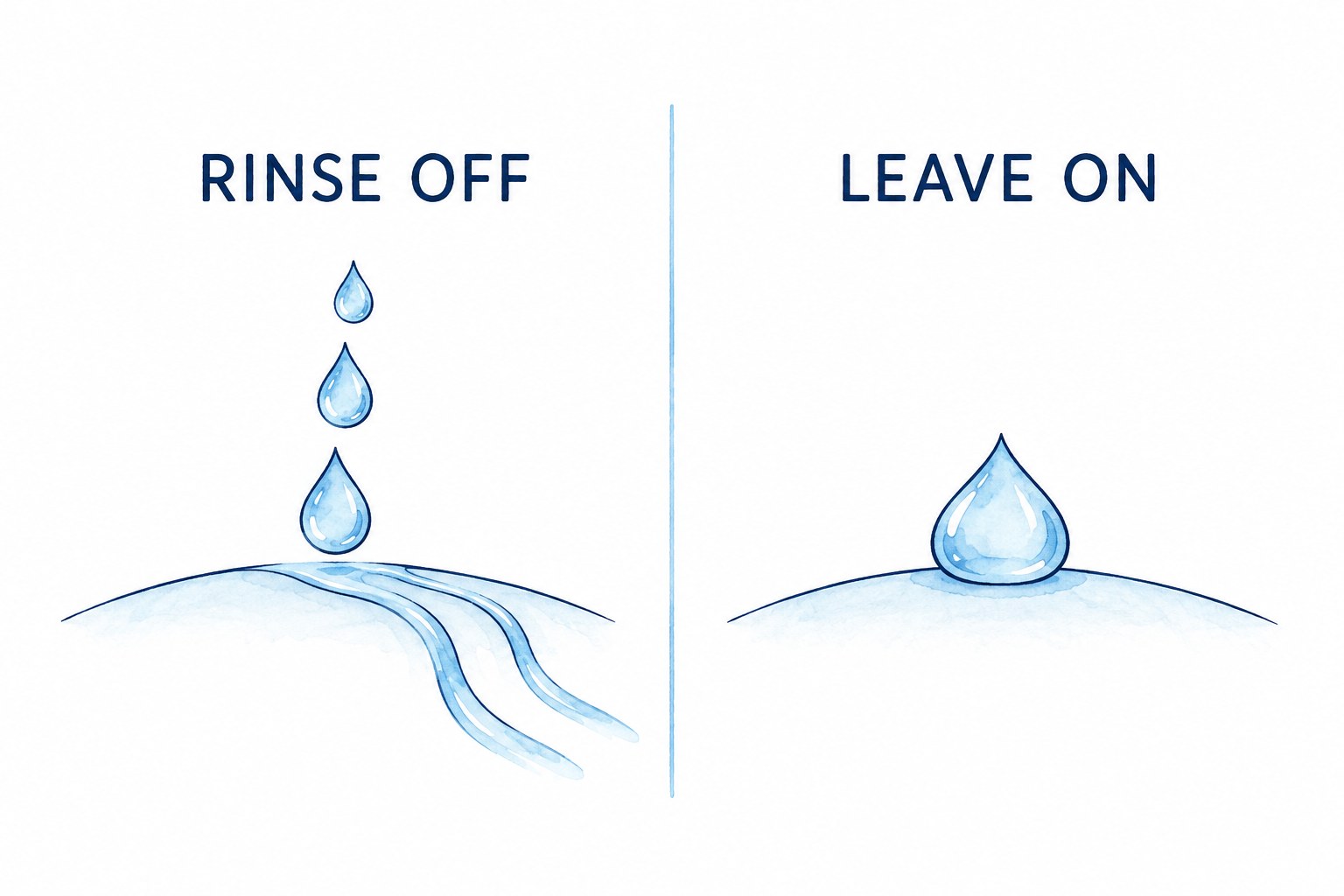
A cleanser is formulated to be washed away; a leave-on remains after cleansing. The same percentage on two bottles does not tell you how much reaches the skin or predict the results. The sources here do not establish a head-to-head winner between these two products.
| Decision | Cleanser | Leave-on |
|---|---|---|
| Routine position | The washing step, followed by rinsing | A separate step after cleansing |
| Practical advantage | No separate acid-application step | Keep a familiar cleanser and adjust exfoliant use separately |
| Main caution | Washing it off does not rule out dryness or irritation | Easy to overlook duplication with another active product |
| What 2% tells you | Declared concentration, not a guarantee of mildness | Declared concentration, not proof of superior results |
Which format fits your routine?
You want fewer separate steps
A cleanser is the tidier choice if the washing step is where you would actually remember to use salicylic acid. Pick it for that convenience. Do not turn it into a mask or leave it on for an invented contact time: follow the bottle.
You already have a cleanser you like
A leave-on lets you preserve that part of the routine. You can assess one added step without replacing several familiar products at once. That is a useful practical reason to choose it, even though it does not prove better efficacy.
Your skin is already sore, peeling or irritated
Pause the shopping decision. MedlinePlus advises against applying salicylic acid to irritated or broken skin. A wash-off format is not a safety workaround. Persistent symptoms deserve advice from a clinician or pharmacist.
You already use an acne treatment
Check that plan before adding either option. CeraVe’s Drug Facts label warns that using another topical acne medicine alongside it increases the likelihood of irritation and dryness. A prescribed routine should guide this decision.
A simple starting routine
- Introduce one salicylic acid product. MedlinePlus advises first-time users to try a small amount on one or two small affected areas for three days. Keep rinse-off products rinse-off during this check.
- Use the chosen format correctly. CeraVe’s label says to shake, wet the face, lather, massage away from the eyes and rinse well; its labelled frequency is twice daily. Paula’s Choice is applied after cleansing without rinsing; its guidance recommends starting every other day. Follow your pack, and ask a pharmacist about a slower introduction if you are prone to irritation.
- Keep the surrounding routine gentle. Use a comfortable moisturiser. Avoid adding scrubs or extra exfoliating steps while assessing the new product.
- Protect your skin outdoors. The AAD recommends shade, protective clothing and broad-spectrum, water-resistant SPF 30 or higher. See its acne skin-care tips.
Give a tolerated acne product time: the AAD suggests six to eight weeks before adding another treatment. This is not a reason to continue through a reaction. Deep painful spots, scarring or persistent acne warrant professional care. If you are pregnant or trying to conceive, consult a dermatologist before treating acne yourself.
Stop using the product and seek urgent medical help for breathing difficulty, throat tightness, faintness or swelling of the face, lips or tongue. Stop and seek medical advice for hives or other concerning reactions. Read the salicylic acid precautions.
Common questions
Is a salicylic acid cleanser always gentler?
No. Rinsing changes the exposure, but the complete formula, frequency and your skin’s response still matter. Neither “wash-off” nor “leave-on” is a tolerance rating.
Can I use the cleanser and leave-on together?
They are not a necessary pair. Start by assessing one. If an existing acne plan needs another treatment, discuss the combination rather than automatically doubling the ingredient.
Should I wait before applying moisturiser?
Paula’s Choice says you can apply moisturiser directly after its BHA. There is no need to invent a waiting period. Follow the directions for your particular product.
Does stinging mean it is working?
Stinging is not a performance target. MedlinePlus lists irritation and stinging as possible side effects. Seek advice for severe or persistent symptoms rather than pushing through.
Sources and buying takeaway
Manufacturer pages establish product identity and directions. They do not independently prove comparative superiority. The medical sources inform the safety guidance; none reviewed or endorsed this article.
- CeraVe: US Acne Control Cleanser
- DailyMed: CeraVe Drug Facts
- Paula’s Choice: US Skin Perfecting 2% BHA Liquid Exfoliant
- AAD: adult-acne treatment and acne skin-care habits
- MedlinePlus: topical salicylic acid
The useful choice is the format you can use correctly and comfortably. Keep a working routine unless there is a clear gap. If you are still choosing an ingredient, our AHA vs BHA guide explains the broader distinction.
Affiliate Disclosure: This post contains affiliate links, which means we may earn a small commission if you make a purchase through these links at no extra cost to you. We only recommend products we've researched and believe offer real value. Our opinions remain our own and are not influenced by any brand or compensation.